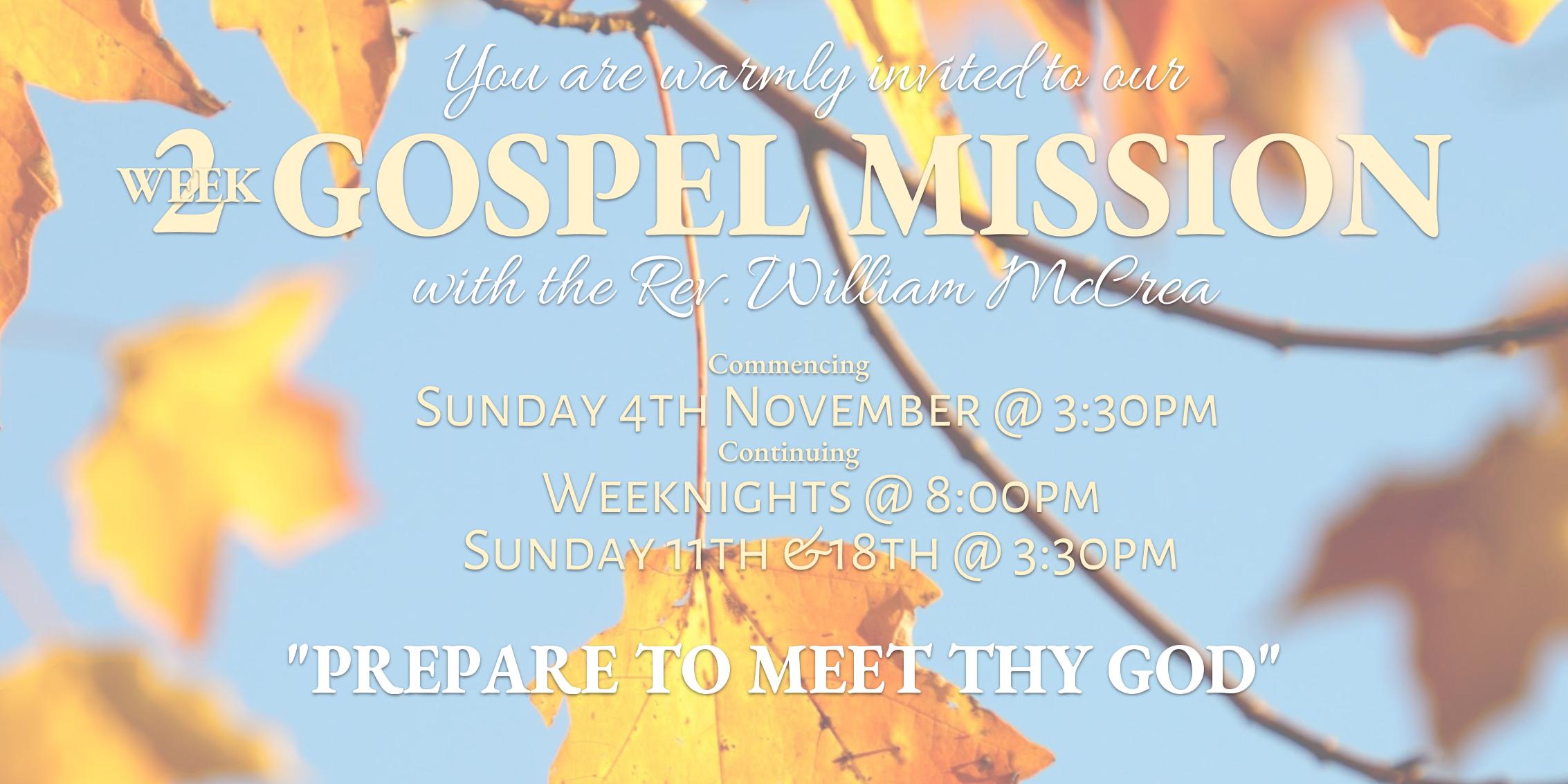

Date: SUN 7:00pm 18th January 2026
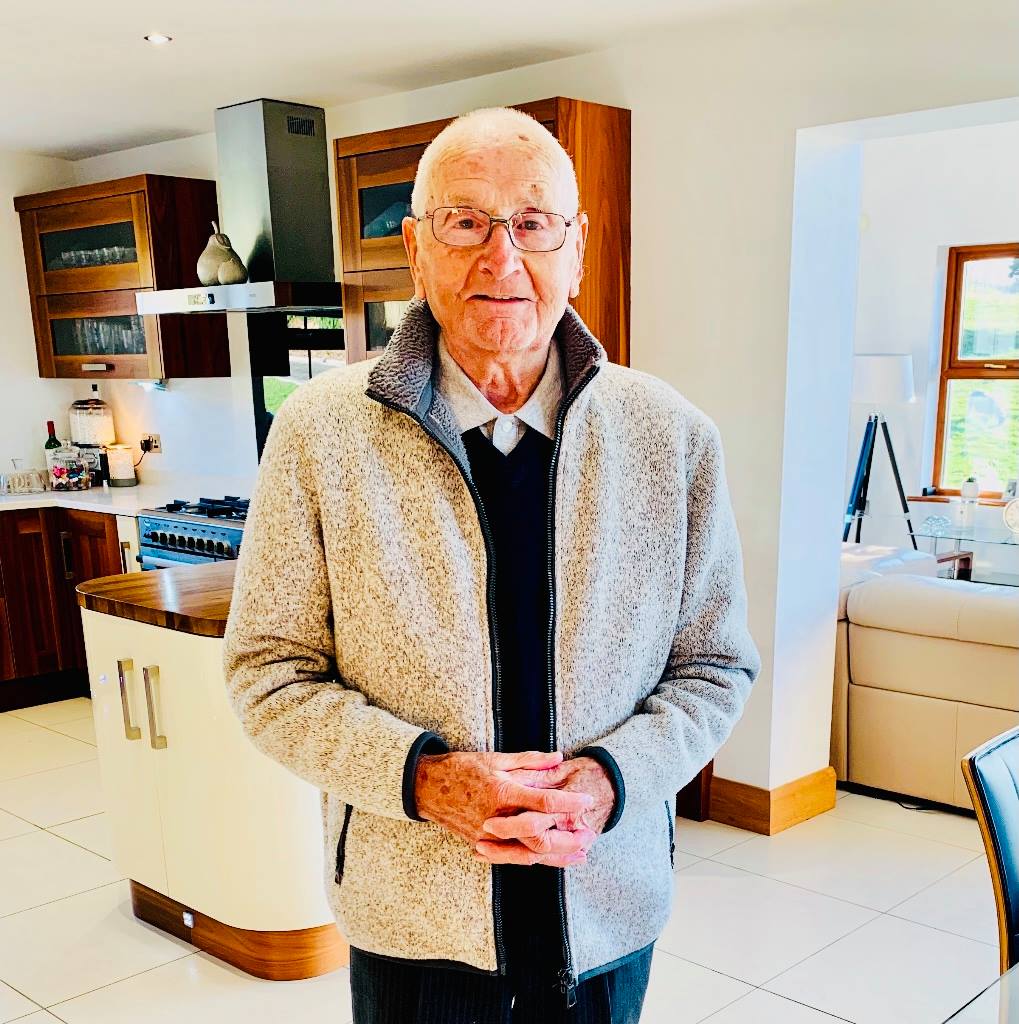
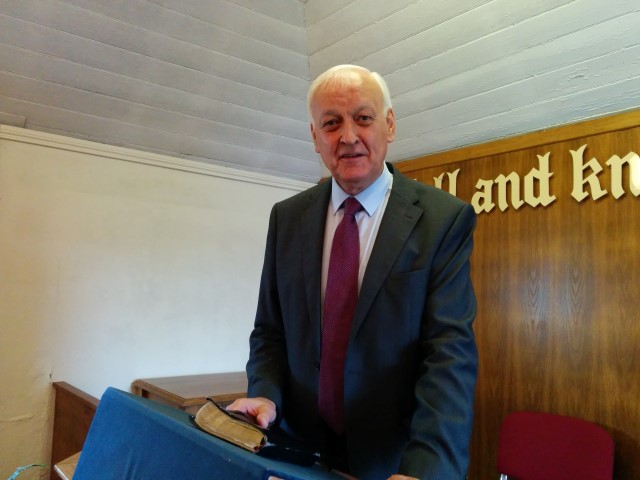
Singing & Testimony: James McCosh – Elder, Ballymena FPC
Bible Reference: Acts 16:31
And they said, Believe on the Lord Jesus Christ, and thou shalt be saved, and thy house.
Podcast
The 1975 Gospel Mission in Ballymena: A Time of Refreshing from the Presence of the Lord
The year 1975 marked a pivotal moment in the spiritual history of Ballymena, Northern Ireland, when a modest evangelistic campaign blossomed into what many describe as a local revival. Organised by the Ballymena Free Presbyterian Church and held in the Ballymena Town Hall, the Gospel Mission—led by the powerful preaching of Dr. Ian Paisley—was accompanied by the heartfelt gospel singing of Rev. William McCrea. The campaign, originally planned for two weeks, extended to five, drawing crowds night after night and resulting in hundreds of souls seeking spiritual counsel. Over 350 individuals were recorded as inquiring about salvation, with many professing genuine conversion to Christ. This event not only transformed lives but also catalysed the growth of the congregation, leading to the construction of a new church building on Toome Road in 1979. Drawing from church histories, sermon transcripts, personal testimonies, and archival materials, this article explores the mission’s origins, unfolding, and enduring legacy—a testament to God’s sovereign grace in a time of societal upheaval.
The Roots: The Free Presbyterian Church and Dr. Ian Paisley
To understand the 1975 Mission, one must first grasp the context of the Free Presbyterian Church of Ulster (FPCU), a denomination born out of a commitment to biblical separation and evangelical fervour. Founded in 1951 by a young Rev. Ian Paisley in Crossgar, County Down, the FPCU emerged from a split within Presbyterianism over issues of modernism, ecumenism, and compromise with liberal theology. Paisley, born in Armagh in 1926 and raised in Ballymena, had been ordained as a Baptist minister but quickly became a vocal critic of denominational apostasy. His father, James Kyle Paisley, was an Independent Baptist pastor who instilled in him a passion for gospel preaching. By the 1970s, Paisley was not only a religious leader but also a political figure, founding the Democratic Unionist Party (DUP) in 1971 amid the escalating Troubles in Northern Ireland.
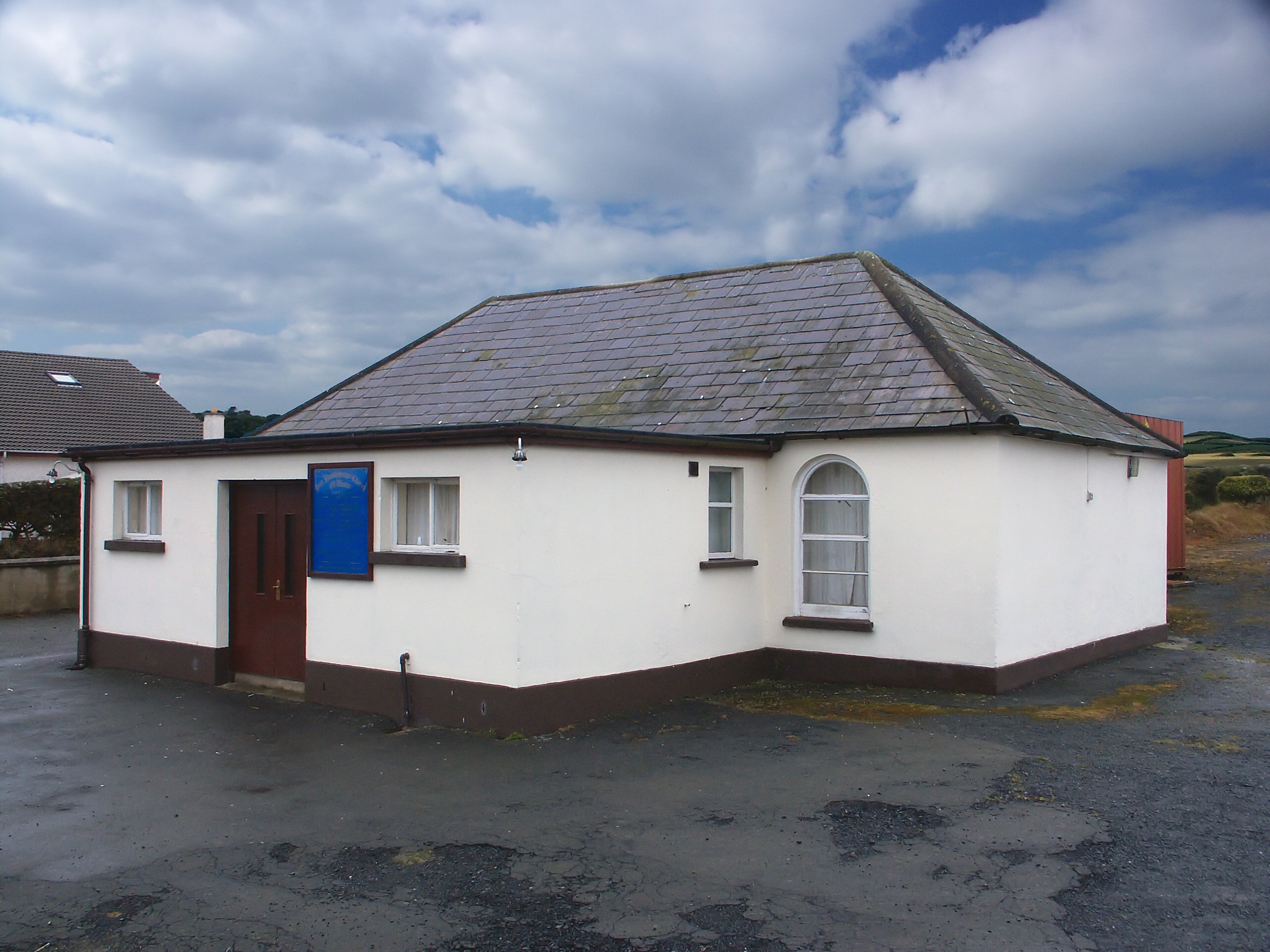
The Ballymena congregation itself traced its roots to the separatist witness established by Paisley’s father in the town during the early 20th century. Initially meeting in a Gospel Tabernacle on Waveney Road, the group formally joined the FPCU in the 1960s under Rev. James Beggs, who served as minister from 1966 to 1998. By 1975, the church was small but fervent, with a core group committed to prayer and outreach. The mission was conceived as a special evangelistic effort to reach the town, but few anticipated the outpouring that followed. As Rev. Beggs later reflected in a 2016 sermon, the congregation had been praying for years about a major outreach, and Paisley’s unexpected offer to preach sealed the plans.
Northern Ireland in 1975 was a land scarred by violence—the Troubles had claimed over 1,500 lives by then, fostering division and despair. Yet, amid this turmoil, the mission became a beacon of hope, echoing earlier revivals like the 1859 Ulster Revival, which had seen widespread conversions across the province.
Preparation: Stirring Hearts and Settling with God
The success of the 1975 Mission was no accident; it was preceded by intense spiritual preparation. Rev. Beggs emphasised in anniversary reflections that revival begins in the hearts of God’s people. Drawing from Malachi 3:10—”Prove me now herewith, saith the Lord of hosts, if I will not open you the windows of heaven, and pour you out a blessing”—the congregation focused on three key conditions: settling disagreements with God, paying the “debt of love” through full surrender, and proving God’s promises in prayer.
Prayer meetings were revolutionised. What began as routine gatherings transformed into fervent, overflowing sessions. Early morning prayers at 6 a.m. saw queues forming outside, and evening meetings extended late into the night with weeping, rejoicing, and burdens for lost souls. Paisley himself led overflow prayer groups when the main room filled. As one participant recalled, “The old, dry, vain repetitions of the past soon evaporated, and our hearts were quickened.” Members compiled lists of unsaved friends and family, praying earnestly—some even exhausting their lists and seeking more names.
Paisley’s opening messages were directed at believers, challenging them to victory over the devil (1 John 3:8), examining unanswered prayers (Psalm 66:18), and seeking the fullness of the Holy Spirit (Ephesians 5:18). These sermons, delivered with extraordinary power, led to widespread brokenness. Rev. Beggs vividly remembered looking out from the platform and seeing “the majority of God’s people weeping with brokenness of heart.” This internal revival among the church set the stage for the external harvest.
The Mission Unfolds: Conviction, Conversion, and Extension
The mission commenced in September 1975, with Paisley preaching nightly in the Town Hall—a neutral venue to attract outsiders. Rev. William McCrea, a gifted Free Presbyterian minister and renowned gospel singer, led the singing, enhancing the atmosphere with hymns that stirred memories and hearts. Initially planned for two weeks, the campaign extended to five due to the evident moving of the Holy Spirit. Crowds filled the hall from the start, despite the congregation’s small size.
The preaching was direct and convicting, focusing on sin, repentance, and the gospel of Christ. No levity marked the meetings; instead, a solemn awareness of God’s presence prevailed. Testimonies recount deep conviction: one farmer staggered under the weight of his sins, weeping like a child and pleading, “Mr. Beggs, I’m a guilty sinner. Just lead me to the Saviour.” Another man tried to drown his conviction in a pub but failed, seeking help early the next morning.
Inquiry rooms buzzed with activity. Over 350 souls sought counsel—some backsliders, others lacking assurance, but most unsaved. Conversions were genuine, with lasting fruit. Buses brought attendees from as far as County Tyrone and Armagh, and some were saved en route. The mission’s extension reflected God’s hand; as Rev. John Greer noted in a 2015 sermon, it fulfilled promises of the Spirit’s outpouring in the “last days” (Joel 2:28-29, Acts 2:16-17).
Personal Testimonies: Lives Transformed
The mission’s true measure lies in changed lives. One of the most moving and enduring testimonies comes from James McCosh, who shared his story in a later service, reflecting on the night of his conversion on Tuesday, 30 September 1975.
James grew up in a home transformed by his mother’s salvation in 1962. She prayed faithfully for her four boys, and before her home-call in 2013, every one of them was saved. Though sent to Sunday School and exposed to the gospel in a Brethren mission hall, James later drifted into the world, pursuing football and the pleasures of youth. He had no peace, often returning home in the early hours with the smell of alcohol on him, breaking his praying mother’s heart.
When the 1975 mission began, his mother asked him to take her to the Sunday afternoon service. Entering the packed Town Hall, James heard preaching unlike anything before—powerful, Christ-exalting, and warning of eternal loss without repentance. God began to deal with him deeply; he left troubled, still in his sins, “trampling underfoot the Son of God and His precious blood.”
The weekend was miserable. On Tuesday evening, providence drew him back. As Dr. Paisley preached and made the appeal, a battle raged within. Hymns like “Just as I am” and warnings from the words “Art thou waiting till tomorrow, thou mayst never see its light” pressed upon him. Finally, grace prevailed: James rose from his seat, went up the stairs to the inquiry room, and was met by Rev. Beggs and elder Wilbert Clarke (now in glory). There he was pointed to Christ. “That moment,” he said, “I passed from death unto life and from the power of Satan unto God.” His sins were forgiven, and he left the hall a new creature.
Driving home in his Mini, he pushed a packet of cigarettes out the window—never to smoke again. Arriving home, he told his mother; they embraced and wept for joy. The next Friday, instead of the pub, he attended the prayer meeting. On Sunday, he began attending Ballymena Free Presbyterian Church, sitting under Rev. James Beggs and later Rev. John Greer, learning the great doctrines of Scripture.
James married Norma, who had prayed for him, and they were blessed with two children, Rhonda and Rodney, both saved young and now serving the Lord—Rodney as an elder and Sunday School superintendent. James served faithfully for over 40 years: as a deacon, elder, Sunday School teacher and superintendent for 24 years, and as a gospel singer across the denomination. He reflected on God’s preserving grace through trials, including a serious illness in his son Rodney, whom God spared after prayer.
In his testimony, James quoted Acts 16: the Philippian jailer asking, “What must I do to be saved?” and the reply: “Believe on the Lord Jesus Christ, and thou shalt be saved.” He closed with a plea: “Believe on the Lord Jesus Christ and thou shalt be saved.” His story—once a wanderer, now a trophy of grace—exemplifies the mission’s lasting fruit.
Other testimonies include Roy Gillespie, saved under Paisley’s preaching; Andy Williamson, drawn despite reluctance; and Jack McKendry, converted on the final night under a message on the unpardonable sin. These accounts, featured in a 50th anniversary booklet, underscore the mission’s authenticity—no superficial decisions, but deep, enduring work of the Spirit.
Legacy: Growth, Anniversaries, and Lessons
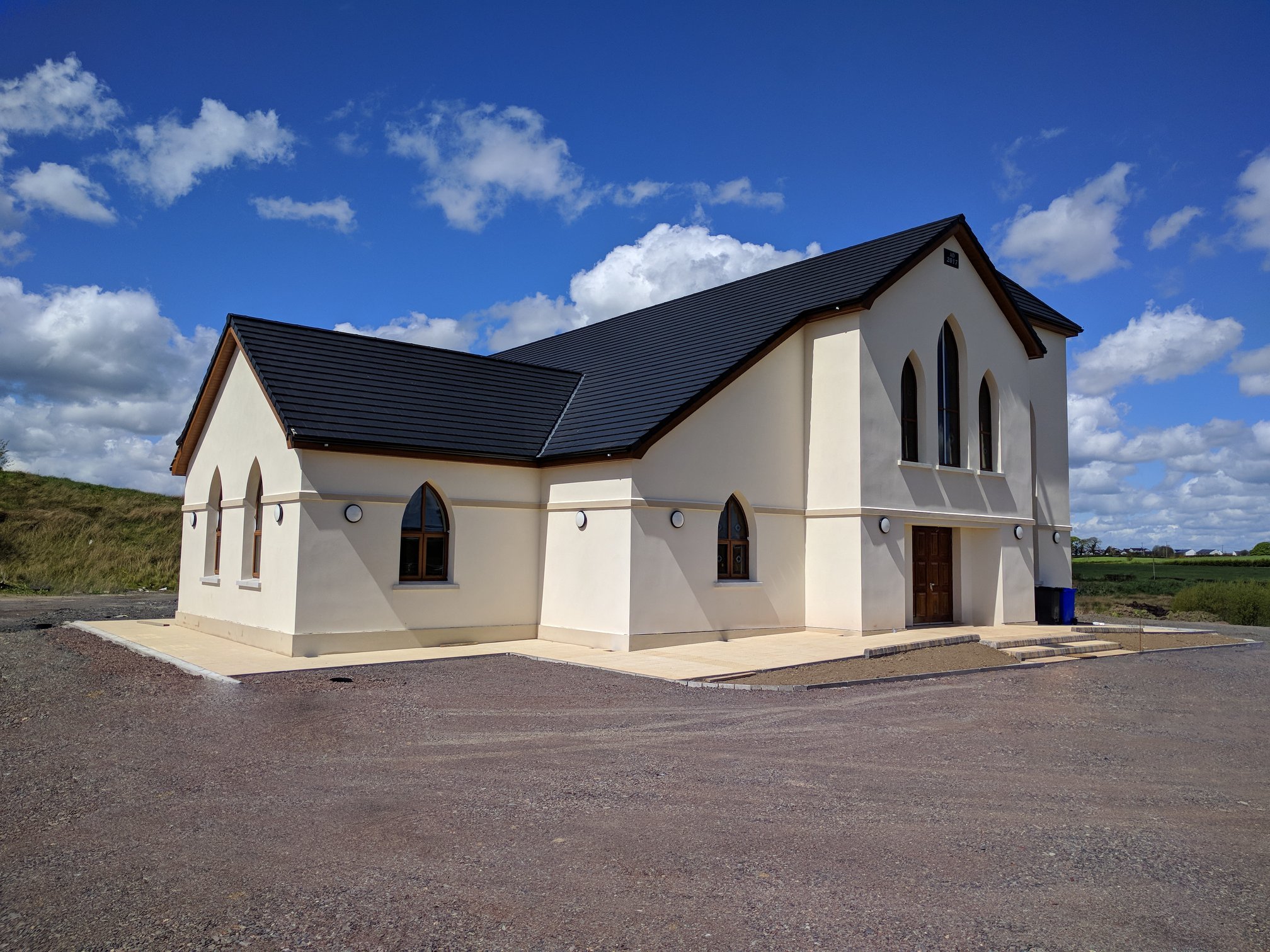
The mission spurred exponential growth, necessitating the new Toome Road building, opened in 1979. By the 40th anniversary of the building in 2019, the church celebrated with services recalling the mission’s role. Anniversaries in 2015 and 2025 highlighted its impact, with sermons urging fresh revivals.
Beyond Ballymena, the mission influenced the wider FPCU, with buses bringing seekers from afar. It exemplified Paisley’s evangelistic zeal, contrasting his political fire with his pastoral heart.
Photos