
Friends, neighbours, brothers and sisters,
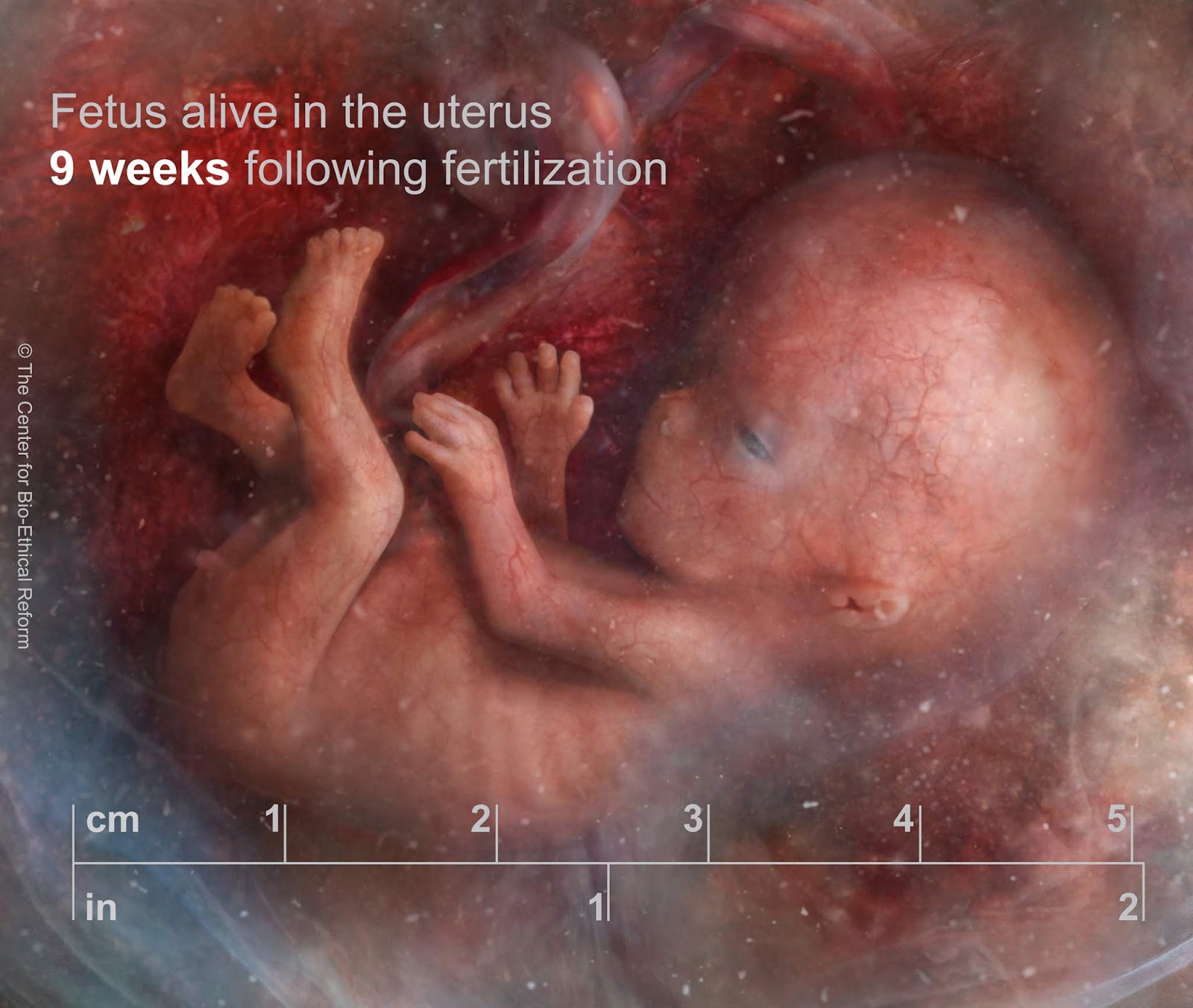
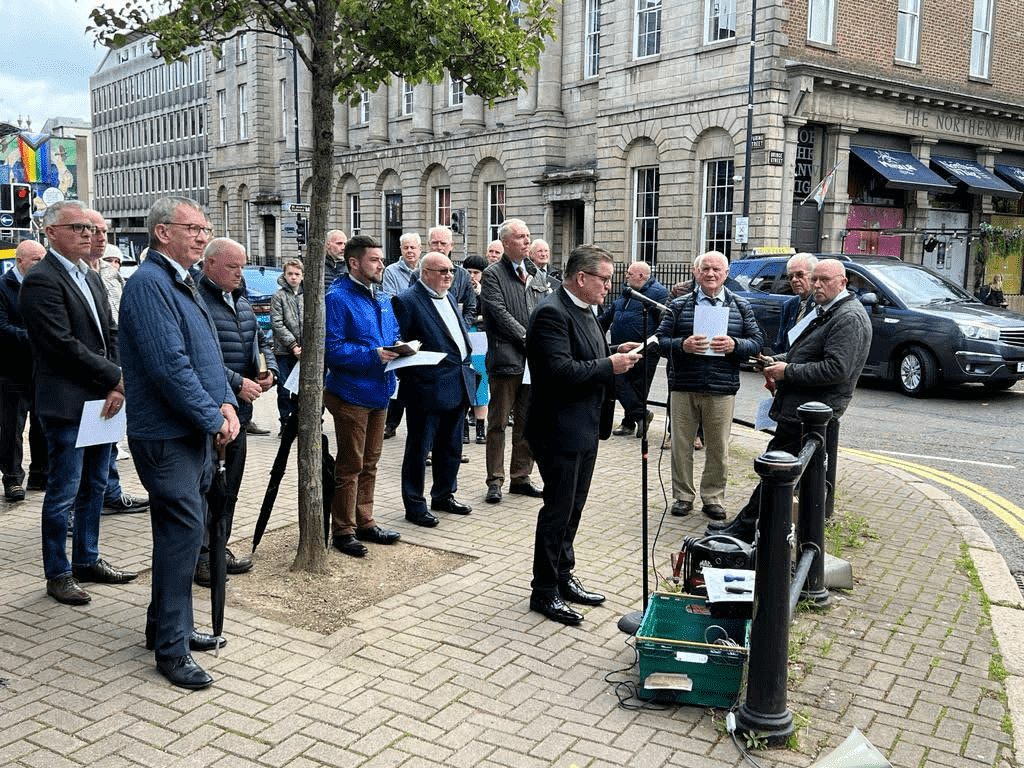
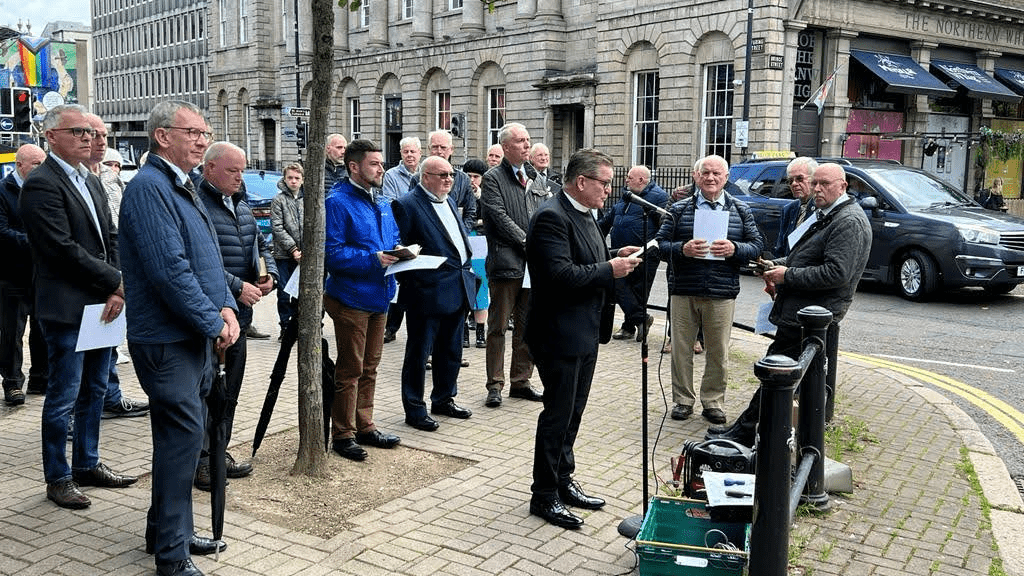
I write these words not as a politician or campaigner, but as a pastor — a man called to preach truth as I understand it, whether that truth is popular or not. For many years I have stood on the streets of Belfast and in the pulpit of Carryduff Free Presbyterian Church, proclaiming the Gospel of Jesus Christ. I have called people away from sin and toward righteousness; I have spoken openly against abortion, because I believe it is the taking of innocent life in the womb. I have spoken against immorality that wounds our society and against all forms of violence, especially violence against women and girls.
Some people have disagreed with me. Some have disagreed strongly. But the fact that we can each speak freely, without fear of punishment, is the mark of a society that still values liberty.
That liberty is now at risk.
The Proposed By-Laws
The new Belfast City Council by-laws being proposed place further restrictions on expression in our public spaces. Though they may appear minor to some, the implications are serious. These laws risk undermining one of the most precious foundations of our free society — the right to speak openly in public space.
Belfast has always been a city of voices. For generations, from the steps of City Hall to the corners of our communities, people have gathered to speak, to challenge authority, to protest, and to witness to truth as they saw it. Not just politicians, but ordinary people. Not just ministers, but human beings with conviction and conscience.
Peaceful assembly, street debate, public advocacy — these are not problems to be managed. They are signs of a healthy democracy.
Of course, public order matters. Every reasonable person understands that we need rules to protect safety and respect for others. But there is a line between maintaining order and stifling liberty. We cross that line when councils begin deciding who may speak, where they may speak, and what forms of belief or protest are acceptable.
Regulation must never become suppression.
The Right to Preach the Gospel
As a Christian minister, I will always speak against what I believe is wrong. I will speak against the killing of the unborn. I will speak against immorality. I will call people to repentance and to a higher, biblical standard of life.
But I also recognise this truth: the same freedom that protects my voice must protect the voice of those who deeply disagree with me.
Freedom of speech is not only for those whose views are approved of. It must extend equally to the views that challenge, offend, or contradict the majority. That is the moral foundation of liberty.
When authorities acquire the power to silence people “for convenience”, “for harmony”, or “for safety”, it rarely stops there. Liberty once surrendered is rarely returned easily. Today it may be a preacher silenced; tomorrow, a political activist; the next day, perhaps anyone who opposes the prevailing mood.
That is not the kind of Belfast we have fought to build.
Lessons from Our Past
We in Belfast understand something about conflict and peace. We know what it is like when voices clash and when communities divide. Yet our progress, hard-won and precious, came not through the silencing of any group but through the power of open speech. When people finally spoke, argued, and listened, we began to move toward understanding.
Silence does not heal division — conversation does.
We have come far because people could speak freely, even when what they said was uncomfortable. That is how wounds begin to mend — in daylight, not darkness.
The Public Square Belongs to the People
Public spaces are not owned by government departments or council committees. They belong to the people. The streets, parks, and squares of this city have long served as the true parliament of ordinary citizens — a place where conscience may speak to power. Preachers, protestors, artists, campaigners — all stand equal in that open air.
To restrict that free space is to do more than silence noise; it is to suffocate the civic soul of Belfast. When speech requires permission, liberty already stands on borrowed time.
Temporary restrictions have a way of becoming permanent. Bureaucracies rarely surrender powers once gained. That is why these proposed by-laws matter so deeply.
The Lesson of the Lockdowns
We have already seen what such overreach looks like. During the recent pandemic, under the banner of public health, governments went far beyond their moral authority. The state assumed control over movement, worship, and association. Churches were ordered closed. Pastors were fined for holding services, and citizens were arrested for gathering to pray or to protest peacefully in the open air. Ordinary acts of conscience were branded criminal offences.
We were told these measures were necessary and temporary. But every emergency decree created habits of submission in government and fear among the people. That period revealed just how swiftly a free society can descend into silence when the authorities believe their power overrides personal conscience.
It would be disastrous to allow that mentality to persist — this time under the pretext of regulating speech or behaviour in public spaces. Once government begins to view freedom as a privilege rather than a right, democracy itself becomes conditional.
The Moral Duty to Defend Liberty
Freedom of expression does not belong to any one class, creed, or political persuasion. It is not a favour from government; it is a right given by God to all human beings.
As a minister, I care deeply about moral truth, but I also care about conscience. The same law that protects the preacher protects the protester and the dissenter. When we defend freedom for others, we safeguard it for ourselves.
Civil liberty was never meant to guarantee comfort — it exists to preserve conscience. When we allow the silencing of peaceful conviction, we extinguish the moral energy that sustains a free nation.
A Call to the People of Belfast
Let Belfast remain the city of open voices and free consciences that it has long been. Let it remain a place where preachers may proclaim their faith, where citizens may campaign for justice, where communities may speak truth to authority without fear.
Let the council remember that this city’s strength lies not in restrictive rules but in responsible freedom — in people who love their city enough to speak their hearts, even when their words are not easy to hear.
Conclusion
I will continue to preach the Gospel — to warn against sin, to call men and women to repentance and faith in Christ. Others will speak differently, and that is as it should be. For true liberty is not about enforcing agreement; it is about protecting conscience.
Because once we silence one voice, we risk losing them all.
Let us therefore guard our civil liberties carefully and courageously, not for comfort, but for conscience. Let us ensure that the streets of Belfast remain open forums of peaceful expression and truth.
When we close those spaces, we close the very place where democracy breathes.
Belfast has found its voice.
We must never allow it to be taken away.
Rev. David McLaughlin
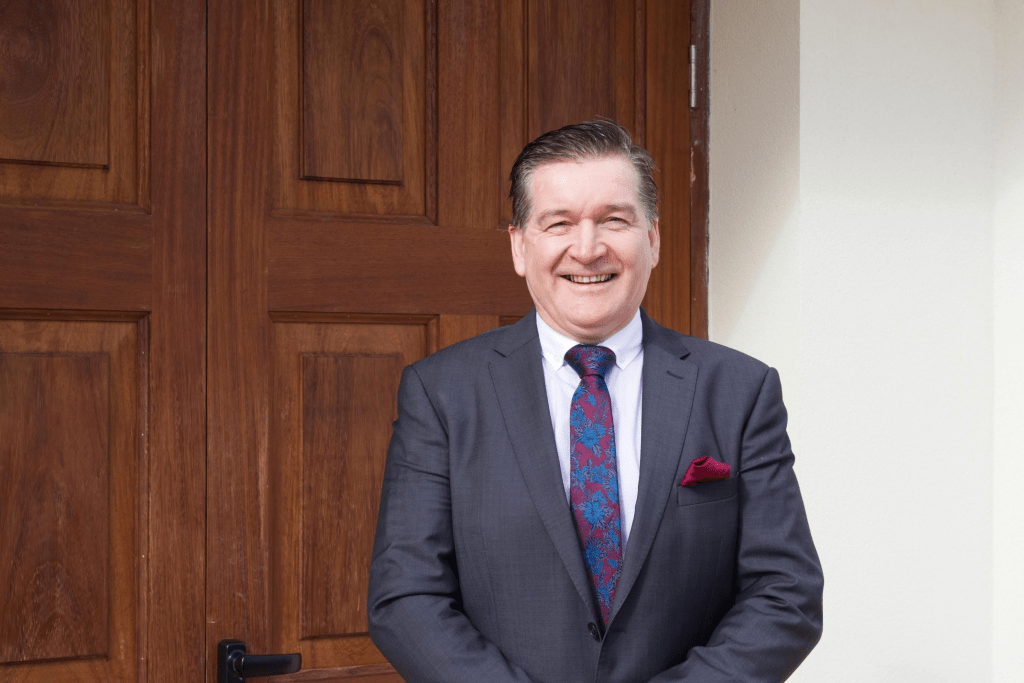
Minister, Carryduff Free Presbyterian Church