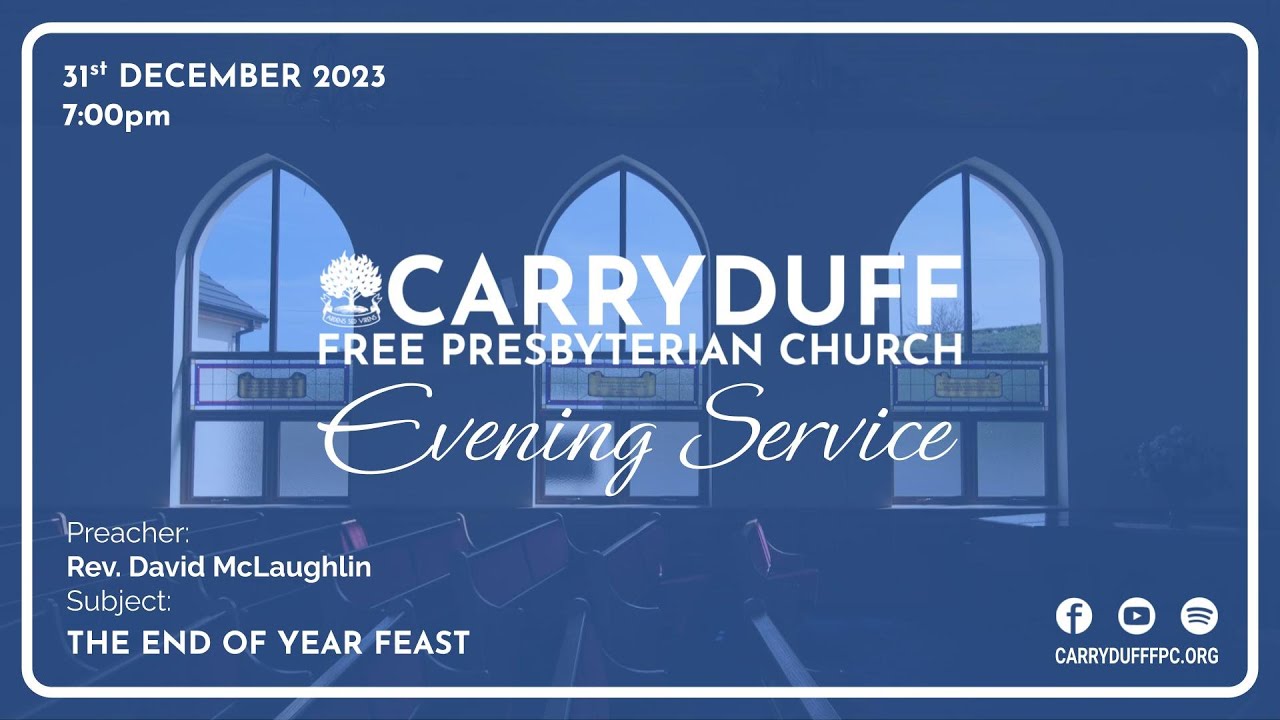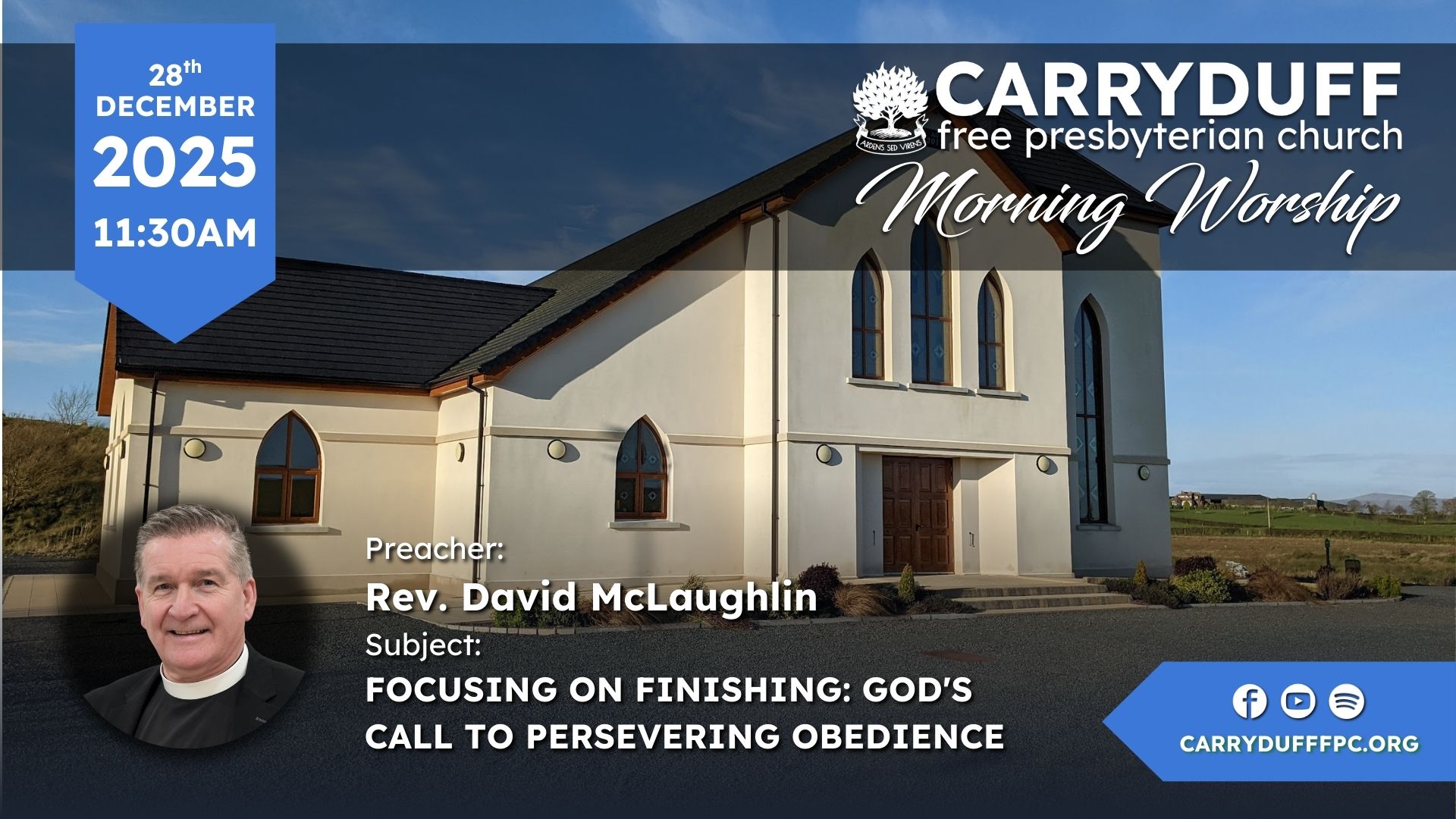

As the clock ticks down on 31st December, 2025, and the world prepares to usher in 2026, many of us find ourselves in moments of quiet reflection. The past year has been a tapestry of triumphs and trials—days filled with joy and gratitude, interspersed with seasons of sorrow, struggle, and unanswered questions. In churches around the globe, congregations gather not just to celebrate the turning of the calendar but to seek divine guidance for the road ahead. It is in this spirit that we turn to a timeless sermon delivered on this very evening, drawing from the book of Exodus chapter 33. The message, centered on Moses’ fervent plea in verse 15—”If thy presence go not with me, carry us not up hence”—serves as a profound call to prioritize God’s presence above all else as we step into the unknown.
This article covers in detail a sermon preached at our weekly Prayer meeting and Bible study, weaving its biblical insights, historical context, and practical applications into a comprehensive exploration. It invites readers to pause amid the festivities and consider not merely what we plan to achieve in the coming year, but with whom we will journey. In an era of rapid change, where success is often measured by metrics and milestones, this prayer reminds us that true progress is impossible without the divine companionship of the Almighty.
The Biblical Foundation: Exodus 33 in Context
To fully appreciate the sermon’s depth, we must first immerse ourselves in the Scripture it expounds. The reading, taken from the King James Version of the Bible, begins in Exodus 33:1 and extends through verse 17. Here, God speaks to Moses amid the aftermath of Israel’s grave sin—the worship of the golden calf in Exodus 32. The Israelites, freshly redeemed from Egyptian bondage through the Passover lamb’s blood and the miraculous parting of the Red Sea, had received the Law at Mount Sinai. Yet, in a moment of impatience and idolatry, they fashioned a golden idol, breaking their covenant with God.
God’s response is both merciful and stern. He promises to send an angel to guide them into the Promised Land—a place “flowing with milk and honey”—and to drive out the Canaanites, Amorites, Hittites, Perizzites, Hivites, and Jebusites. However, He declares, “I will not go up in the midst of thee; for thou art a stiffnecked people: lest I consume thee in the way” (Exodus 33:3). This pronouncement sends shockwaves through the camp. The people mourn, stripping themselves of their ornaments as a sign of repentance. Moses, ever the intercessor, pitches the tabernacle outside the camp, creating a space for seeking the Lord. It is here that God descends in a cloudy pillar, speaking to Moses “face to face, as a man speaketh unto his friend” (Exodus 33:11).
Moses’ dialogue with God culminates in a bold petition: He acknowledges God’s favour upon him personally but pleads for assurance regarding the nation’s journey. “Shew me now thy way, that I may know thee,” he implores (Exodus 33:13). God responds with grace: “My presence shall go with thee, and I will give thee rest” (Exodus 33:14). Yet Moses presses further: “If thy presence go not with me, carry us not up hence. For wherein shall it be known here that I and thy people have found grace in thy sight? is it not in that thou goest with us?” (Exodus 33:15-16). God relents, affirming, “I will do this thing also that thou hast spoken: for thou hast found grace in my sight, and I know thee by name” (Exodus 33:17).
This passage is not merely historical narrative; it is a blueprint for spiritual dependence. As the sermon emphasizes, it meets us at the “solemn threshold” of a new year, urging us to echo Moses’ prayer in our own lives.
Reflecting on 2025: Joys, Sorrows, and the Call to Pause
The sermon opens with a poignant reflection on the year drawing to a close. “2025 will be gone forever,” the preacher notes, “and during the past year some of its days were filled with joy and thanksgiving.” Indeed, many can testify to moments of divine faithfulness—answered prayers, communal celebrations, and the Lord’s provision in unexpected ways. “Together we raise the testimony, the Lord has done great things for us whereof we are glad,” as inspired by Psalm 126:3. Yet, the year was not without its shadows. In prayer halls and personal devotions, supplications were offered in faith; some received swift responses, others lingered in delay, and a few remained shrouded in mystery, known only to God.
As we stand on the cusp of 2026, the sermon challenges us to shift our focus. It is easy to fixate on what we will do—new initiatives, resolutions, and ambitions—or how we will achieve them. But the critical question is with whom we will proceed. Moses’ prayer cuts to the heart: Without God’s presence, even the grandest plans are futile. This is not the plea of a fearful leader but of one who recognizes that God’s companionship eclipses prosperity, progress, and even promised blessings. “The presence of God is more important than pounds, shillings and pence,” the sermon declares, “more important than prosperity… even more important than the promises of God itself.”
In practical terms, the preacher urges believers to adopt this prayer as their own: “We need to pray this prayer. We need to believe this prayer. We need to breathe this prayer. We need to battle this prayer.” Whether individually, as families, or as a church body, the cry should be unified: “If thy presence go not with me, carry us not up hence.”
The Provision of the Prayer: Understanding the Backdrop
To grasp the gravity of Moses’ words, the sermon delves into the “back cloth” of Exodus 33. The Israelites’ journey from Egypt was marked by miracles: redemption through the lamb’s blood, the Red Sea crossing, and the giving of the Law. God had pledged a land of abundance. But then came the golden calf—a blatant act of idolatry and immorality. Aaron’s feeble excuse—”I cast it into the fire: and there came out this calf” (Exodus 32:24)—underscores the absurdity of their rebellion. The people were left “naked unto their shame” (Exodus 32:25), exposed in their sin.
God’s judgment was swift but tempered with mercy. He did not annihilate them entirely, yet His words in Exodus 33:2-3 are chilling: “I will send an angel before thee… For I will not go up in the midst of thee.” Guidance, victory, and the Promised Land were still on offer—but without God’s personal presence. This, the sermon asserts, was the greatest threat Israel ever faced, surpassing famine, Pharaoh’s armies, or the giants of Canaan. “The possibility of moving on without the Lord” is a disaster, rendering success hollow.
Moses’ response is resolute: He refuses to advance without God. “It’s better to stay in the wilderness than to go into the Promised Land without the Lord,” the preacher echoes, drawing a parallel to Hosea 5:15, where God warns of withdrawing His presence until repentance. In our context, this warns against pursuing 2026’s opportunities—be they financial, numerical growth in churches, or personal achievements—absent divine fellowship. “What would growing numbers be without the life of God in the midst?” the sermon asks. Prosperity without presence is emptiness; activity without power is vanity.
The Principle of the Prayer: What Distinguishes God’s People
Moving deeper, the sermon explores the principle underlying Moses’ plea. In verse 16, Moses asks, “For wherein shall it be known here that I and thy people have found grace in thy sight? is it not in that thou goest with us?” The distinguishing mark of God’s people is not their history, doctrines, or morality alone—but the living presence of God among them.
The tabernacle exemplified this: It was sacred because God dwelt there. Similarly, the temple was filled with His Shekinah glory. Biblical figures like Enoch and Noah “walked with God,” but as the sermon notes (citing Hebrew insights), it is God who initiates and sustains the walk. In the New Testament, this truth evolves: “Christ in you, the hope of glory” (Colossians 1:27). The church thrives because Christ indwells believers by faith.
Remove this presence, and what remains? “Hollow tradition, empty religion, powerless orthodoxy.” The preacher shares a personal anecdote from visiting a historic church, now dwindled in attendance despite its grandeur. It prompts self-examination: Are we “jealous for the presence of God” in our congregations, or merely maintaining religious motions? This principle challenges modern churches that prioritize programs over divine encounter.
The Precision of the Prayer: God’s Covenantal Presence
The sermon clarifies that God’s presence is not merely His omnipresence—His existence everywhere at once—but His covenantal presence: a gracious, relational nearness to His people. Moses fears not God’s non-existence but the withdrawal of His guidance, power, and fellowship. Psalm 127:1 reinforces this: “Except the Lord build the house, they labour in vain that build it.”
Practically, this presence manifests in conviction of sin, soul conversions, wise decisions, blessing upon endeavours, power in worship, comfort in suffering, and counsel through Scripture. It is the Lord’s face shining upon us, as in the Aaronic blessing (Numbers 6:24-26). Without it, forward steps regress toward spiritual Egypt. The sermon warns against emotionalism or mysticism; this is rooted in covenant theology, emphasizing God’s indwelling Spirit.
The Purpose of the Prayer: Applying It to 2026
Finally, the sermon applies this truth to the Christian life. As we contemplate new plans, resolutions, and opportunities for 2026, we must recognize that a year without God’s presence is a curse disguised as blessing. “Better a hard year with God than a happy one without Him,” the preacher affirms. This prayer is “dangerous” because it demands purity: Sin—bitterness, gossip, pride—quenches the Spirit (Psalm 51:11).
Tying it to Christ, the sermon highlights Moses as a type of intercessor, pleading for God’s presence. Jesus, our ultimate Mediator, experienced forsakenness on the cross—”My God, my God, why hast thou forsaken me?” (Matthew 27:46)—ensuring we are never ultimately abandoned. In John 1:14, the Word “tabernacled” among us, declaring the Father.
As midnight approaches, the call is to unite in prayer: “Lord, we can’t and don’t want to go without You.” For individuals: “Don’t take me anywhere your presence will not keep me.” For families: “Don’t bless us apart from You.” For churches: “If You’re not in this house, better to shut the door.” Promises like Matthew 28:20 (“Lo, I am with you always”) and Hebrews 13:5 (“I will never leave thee”) anchor our hope.
Conclusion: Making Moses’ Prayer Our Own
In closing, let Moses’ words resonate: “If thy presence go not with me, carry me not up hence.” What we need most in 2026 is not success or security but God’s provision, principle, precision, and purpose through His presence. May the faithful God of 2025 accompany us into the new year, dwelling among us as individuals, families, and faith communities. As the sermon prays, “May the Lord take these few thoughts and bless them to us this evening.” In echoing this ancient plea, we position ourselves for a year not of mere survival, but of divine thriving.