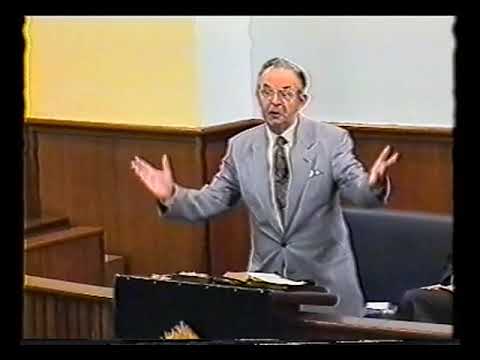

From a modest hall on the outskirts of Belfast to a purpose‑built training campus in County Armagh, the history of ministerial training in the Free Presbyterian Church of Ulster is a story of vision, perseverance, and unwavering commitment to the authority of Holy Scripture.
From the early 1950s until the present day, the training of ministers and missionaries has been inseparable from the identity of the Free Presbyterian Church. The story of the Theological Hall – and later the Whitefield College of the Bible – is a testimony to the Lord’s provision and the Church’s determination to remain faithful to the Gospel amidst decades of religious compromise and theological modernism.
1953 – The Mount Merrion Beginnings
In the wake of the Church’s foundation at Crossgar in 1951, under the leadership of the Reverend Ian R. K. Paisley and a small group of elders, it quickly became evident that the new denomination would need to train its own ministers rather than send them to liberal theological colleges. The Church believed that its future preachers must be rooted uncompromisingly in the Reformed faith, the Gospel of sovereign grace, and the doctrines of the Protestant Reformers.
By early 1953, the first classes of the fledgling Theological Hall were organised in the back hall of Mount Merrion Free Presbyterian Church in the Cregagh district of Belfast. Though modest in setting, this was a historic beginning. The room was described as “small but serious”, furnished with little more than basic desks, bookshelves, and a pulpit for preaching practice. It was there that the earliest students of the Free Presbyterian ministry were instructed in systematic theology, church history, homiletics, and biblical exposition.
The lecturers were men of conviction who combined academic ability with evangelical zeal. Among them was Dr Ian Paisley himself, together with Rev S. B. Cooke and others associated with the early congregations. Despite limited resources, the teaching was rigorous and deeply practical, reflecting the conviction that a preacher must not only study the Word but live it out in daily conduct.
Those early years produced the first generation of Free Presbyterian ministers, men who would later lead congregations across Ulster, Scotland, and North America. The Mount Merrion Hall had no formal charter or examination board, but it produced a close brotherhood of ministers whose shared convictions would shape the denomination for decades.
The 1960s – Expansion and Public Witness
During the 1960s the training work grew steadily, reflecting the rapid expansion of the denomination itself. By this period, the Theological Hall had gained structure and official oversight from the Free Presbyterian Presbytery. Lectures were held weekly, combining theological study with training in pastoral care and evangelism.
A detailed account of the Hall’s activities appeared in The Revivalist of October 1967, reporting a public service at Ravenhill Free Presbyterian Church to mark the opening of the 1967–68 session. The meeting drew a large attendance and featured a lecture by Dr Paisley on the life and work of William Tyndale, “the believer, scholar, translator, author, contender for the faith, and martyr”. The report noted that fifteen new students had been received that year, the largest intake to date.
Alongside Dr Paisley himself, the faculty now included Rev S. B. Cooke (Homiletics and Pastoral Theology), Rev Alan Cairns (Systematic Theology), and Rev John Douglas (English Bible). The magazine concluded: “Since the Hall commenced training young men for the ministry in 1952, God has richly blessed its work. Every one of our ministers, except Dr Paisley, has passed through its classes.” It also launched an appeal for books and funds to supply a library for the students — the nucleus of the modern Whitefield College library.
1969 – 1979: Martyrs Memorial Free Presbyterian Church
The completion of Martyrs Memorial Free Presbyterian Church on the Ravenhill Road in 1969 provided expanded facilities for ministerial training. The Theological Hall relocated from the Ravenhill FPC to the existing, former Ardenlee Nursing Home, building attached to the new Martyrs building.
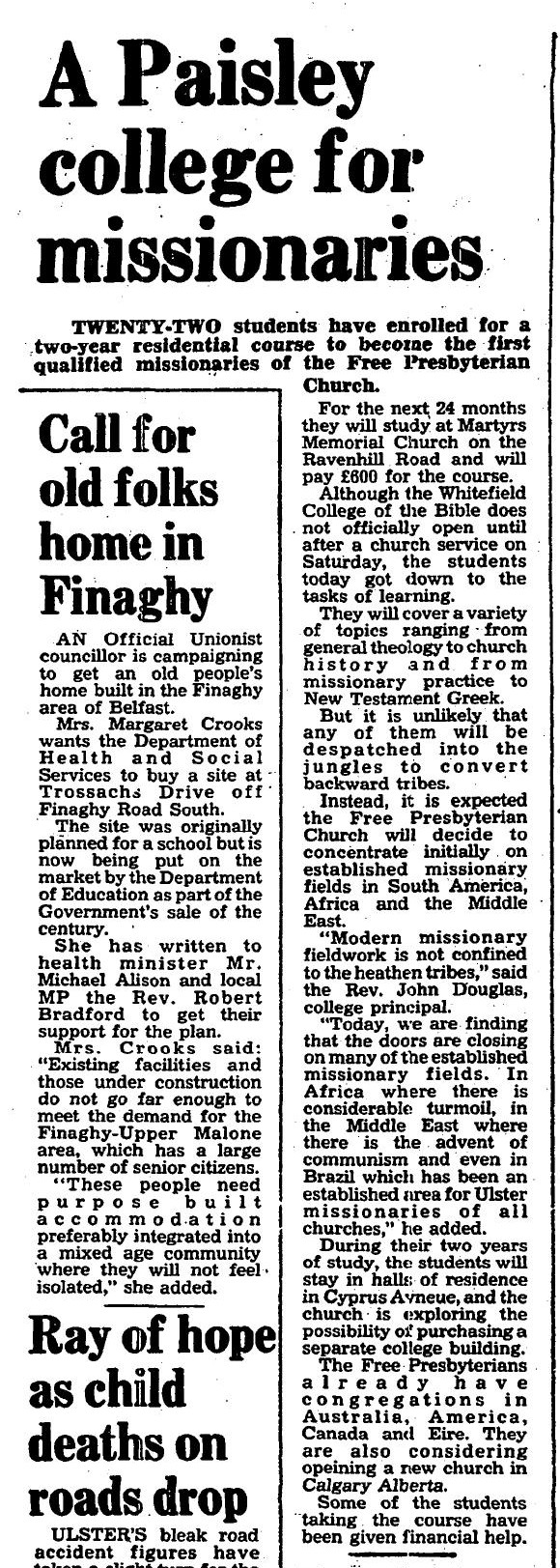
This smaller premises, later demolished, served as the principal training centre of the denomination throughout the 1970s. Students met weekly for lectures in Bible exposition, theology, and pastoral studies, while participating in missions and open‑air work. The Free Presbyterian Church was by then extending throughout Ulster and developing international ties through Dr Paisley’s preaching ministry. Seeing the growing need, the Presbytery resolved that theological training should be placed on a full‑time and formal footing.
1979 – The Founding of Whitefield College of the Bible
In 1979 the Theological Hall was reorganised as the Whitefield College of the Bible, named after the eighteenth‑century evangelist George Whitefield. This marked a decisive step forward. The College operated initially from Belfast under a more structured system, offering a four‑year ministerial and two‑year missionary programme.
Dr John Douglas was appointed as the first Principal, bringing to the work years of teaching experience and pastoral leadership. Under his oversight the syllabus was expanded to include homiletics, hermeneutics, Greek, and Hebrew, creating a comprehensive ministerial course supervised directly by the Presbytery.
Whitefield College was thus the natural continuation of the Theological Hall — retaining the same doctrinal foundations and evangelical zeal but now recognised as a formal denominational college. Plans were soon made to secure permanent premises.
1981 – The Opening at Laurencetown
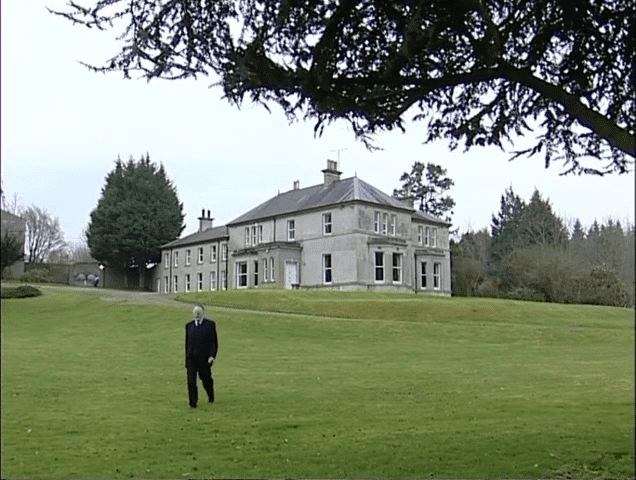
The vision for a dedicated campus was realised on Saturday, 3 October 1981, with the official opening of Whitefield College of the Bible at Laurencetown House, near Gilford, County Down. The grand inauguration service was held under a large marquee on the college grounds before more than 2,000 attendees.
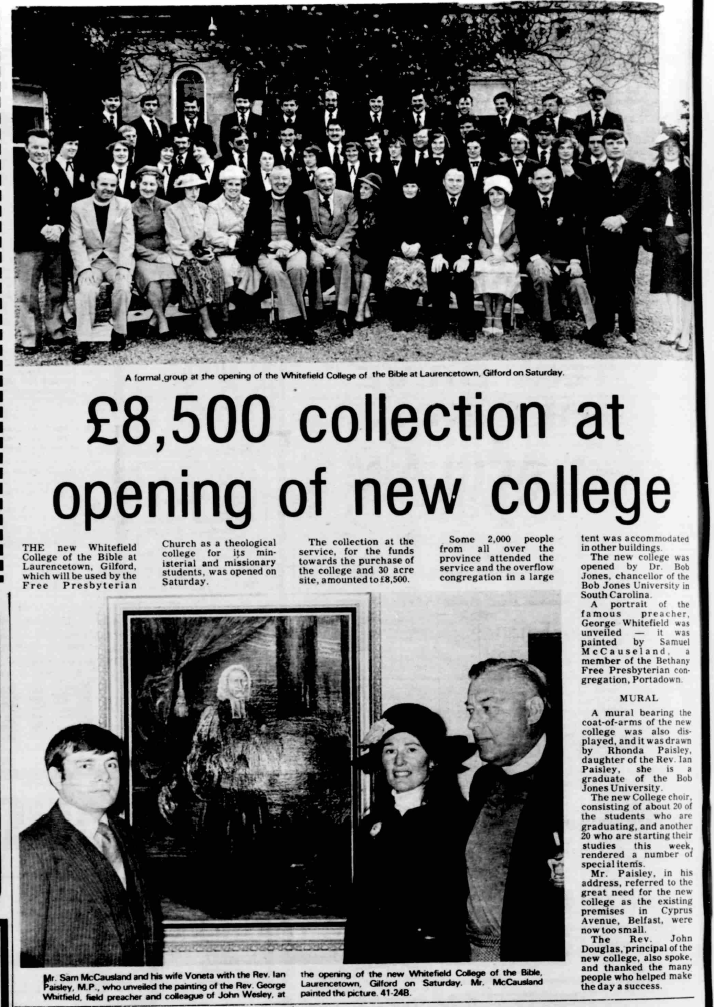
Dr Bob Jones Jr, Chancellor of Bob Jones University, South Carolina, conducted the opening and received the key from Dr Ian Paisley, President of the College. A portrait of George Whitefield, painted by Samuel McCausland, and a mural by Rhonda Paisley were presented.
Dr Paisley preached from 2 Kings 6:1 — “The place where we dwell with Thee is too strait for us” — linking the vision of Elisha’s school of the prophets to the growth of the Free Presbyterian Church. Dr Jones followed with “The Things Required to Do a Great Work for God”. An offering of £8,500 was received for the new work.
The Laurencetown estate encompassed 30 acres beside the River Bann, with terraced lawns, gardens, and a Georgian mansion of about 6,000 square feet. The former Sixmilecross School building was re‑erected as a lecture hall. For almost three decades this setting became the heart of Free Presbyterian ministerial training — a place of study, devotion, and missionary preparation for ministers now serving across the world.
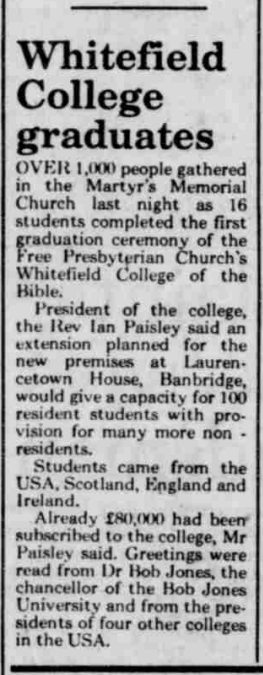
For generations of students, Laurencetown House became synonymous with Whitefield College — its classrooms, halls, and residence rooms resonating with expository preaching and disciplined theological training. The years that followed were marked by steady growth. In some intakes, over thirty new students enrolled, a remarkable figure for a young denomination of modest size. The college’s curriculum blended rigorous academic study with the devotional and evangelical emphasis that had fired the early Free Presbyterian movement.
Dr John Douglas, who served as both Principal and Professor of Systematic Theology, presided over a uniquely fruitful era. His careful exegesis of Scripture, lucid exposition, and encyclopaedic grasp of theology shaped the minds and ministries of hundreds of preachers. Visiting lecturers from within the fellowship and abroad supplemented his steady leadership and teaching, while successive classes were drilled in the Reformed faith and in the text of Holy Scripture itself. Under his direction, Laurencetown acquired a distinct and cherished ethos — reverent, disciplined, and unashamedly confessional in its stand for biblical orthodoxy.
By the second decade of the new millennium, after more than thirty years of faithful service, Dr Douglas prepared to retire from the active principalship. In 2012 the General Presbytery appointed Rev Gordon Ferguson, recently retired from the Walthamstow work in London, as his successor. As Principal, Rev Ferguson continued the college’s commitment to “teaching the things which become sound doctrine,” strengthening its academic foundations while broadening the scope of its outreach and missionary training. Under his watch the college retained its uncompromising emphasis on biblical preaching and preparer of men for the pastoral and mission fields of the world.
2016 – From Laurencetown to the Paisley Jubilee Complex
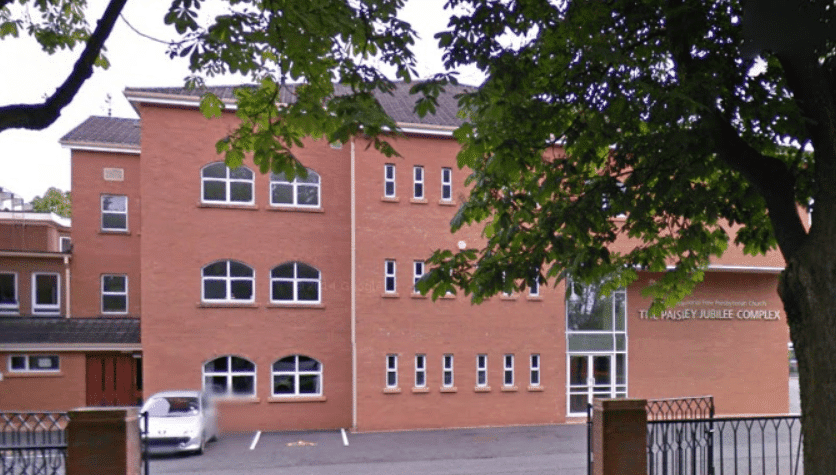
After over thirty years at Laurencetown, challenges arose when the building was granted listed status, making maintenance increasingly expensive and limiting development. By 2015, practical considerations of cost, space, and accessibility led the Presbytery to approve a relocation to Belfast. That autumn, the Whitefield College of the Bible moved from its quiet Lawrencetown estate to its new home within the Paisley Jubilee Complex of Martyrs’ Memorial Free Presbyterian Church. There, in the historic edifice founded by Dr Ian Paisley — itself a symbol of the movement’s origin — the college entered a new era. Modern facilities brought fresh efficiency to its work, while its location in the heart of the capital strengthened its connection to congregations throughout the province and provided students with firsthand ministry experience.
Laurencetown House continued for a time as an administrative centre, hosting the final correspondence course graduation on 19 October 2015, but that ceremony marked its closure as an academic campus. Beginning with the 2015–16 session, lectures and tutorials were held entirely in Belfast. In March 2016 Free Presbyterian Vision publicly noted that entrance examinations for the year beginning September 2016 would take place “at the Martyrs’ Memorial Free Presbyterian Church, Paisley Jubilee Complex,” confirming the college’s new home.
Rev Ferguson continued as Principal through this transition, guiding academic life, presiding over graduations, and representing Whitefield at church and missionary events. He oversaw the first intake of students to complete their entire course at Martyrs’ Memorial in September 2016, securing the continuing work of the college in its Belfast base. His administration was noted for steady leadership, pastoral care for students, and a gracious maintenance of the spiritual and academic standards handed down from the founders.
2018 – The Appointment of Rev Timothy Nelson
In June 2018, after six years as Principal, Rev Gordon Ferguson expressed a desire to fully retire. At its meeting on Friday 1 June 2018, the General Presbytery of the Free Presbyterian Church of Ulster voted to appoint Rev Timothy Nelson, then minister of Ballynahinch Free Presbyterian Church and long‑standing member of the Whitefield faculty, as the college’s new Principal. His appointment was publicly acknowledged in FP Vision (July–August 2018), where he authored his first column, “From the Principal’s Desk.”
Under Rev. Nelson’s leadership the college has continued to uphold its original mandate — to train men thoroughly grounded in Scripture, faithful to Reformed principles, and dedicated to the proclamation of the gospel at home and abroad. The Whitefield College of the Bible, now well established in its Martyrs’ Memorial home, stands as a living institutional memorial to its founders’ vision: A school of the prophets for the next generation of preachers “set for the defence of the gospel.”
2026 – The New Campus at Tandragee
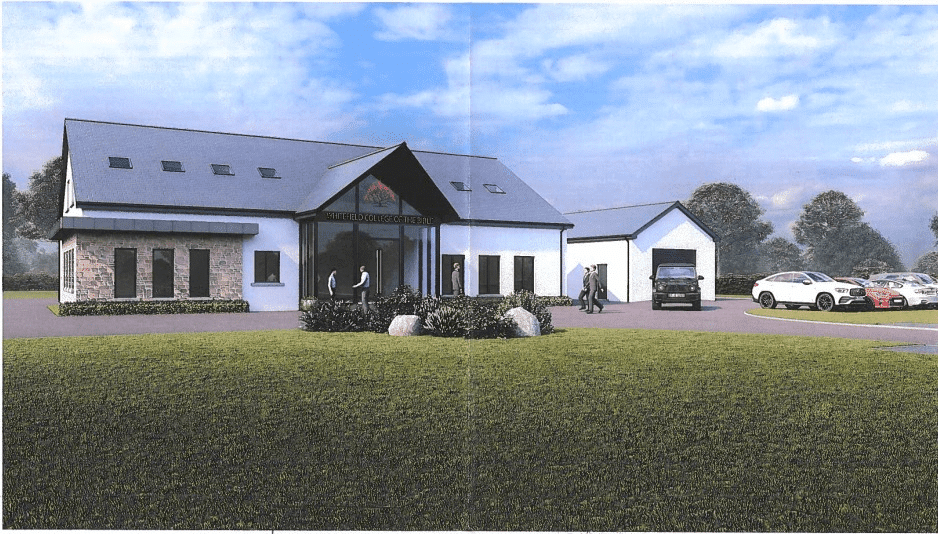
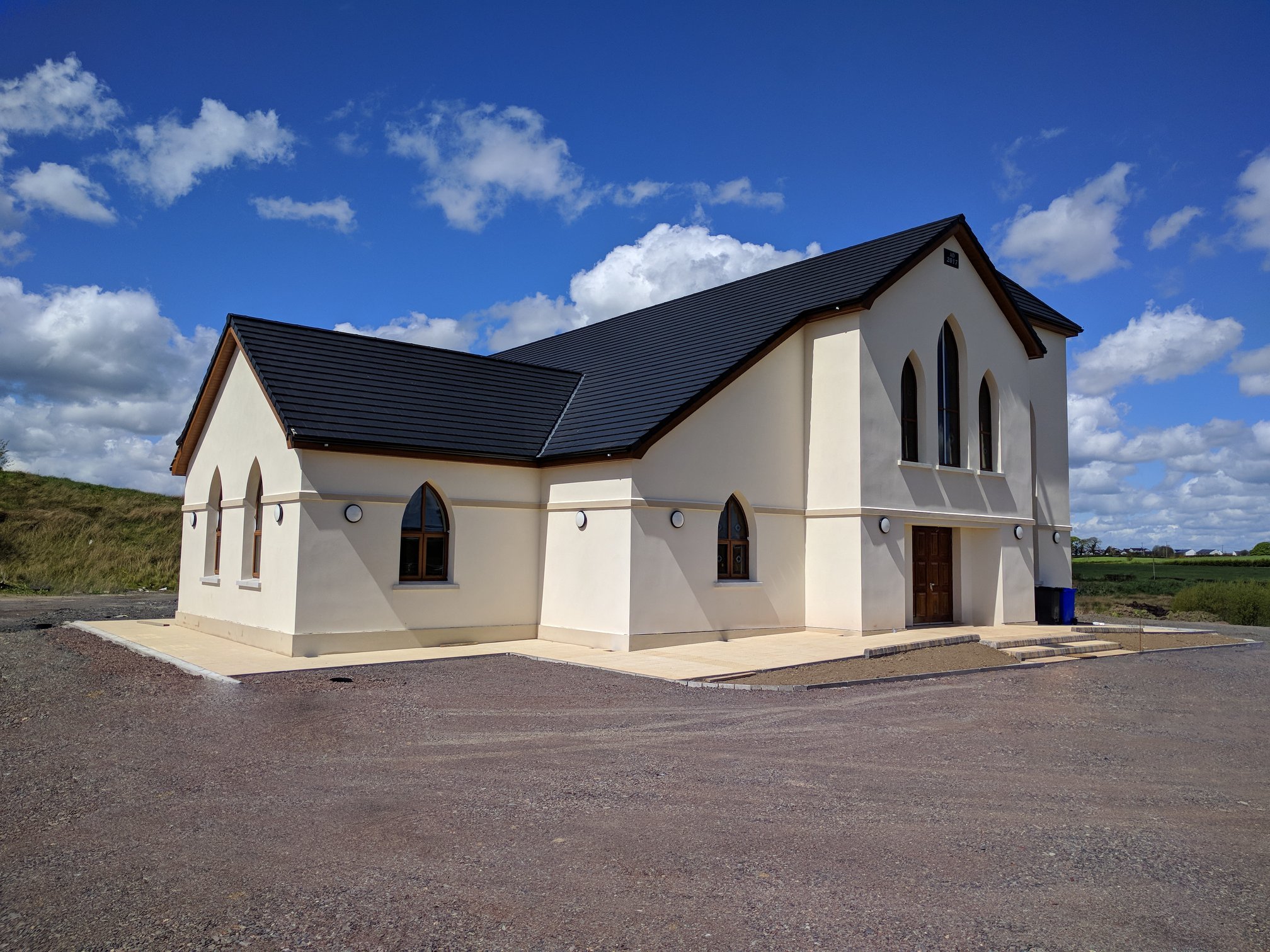
The next chapter in the Whitefield story was made possible through the generosity of Tandragee Free Presbyterian Church, which gifted adjoining land to the Presbytery for a permanent new home. Plans were drawn up for a purpose‑built two‑storey complex incorporating two large lecture rooms, an expanded library, administrative offices, study and social areas, and a dedicated Historical Society Strong Room to preserve denominational archives. A missionary workshop was included to provide practical training for overseas service.
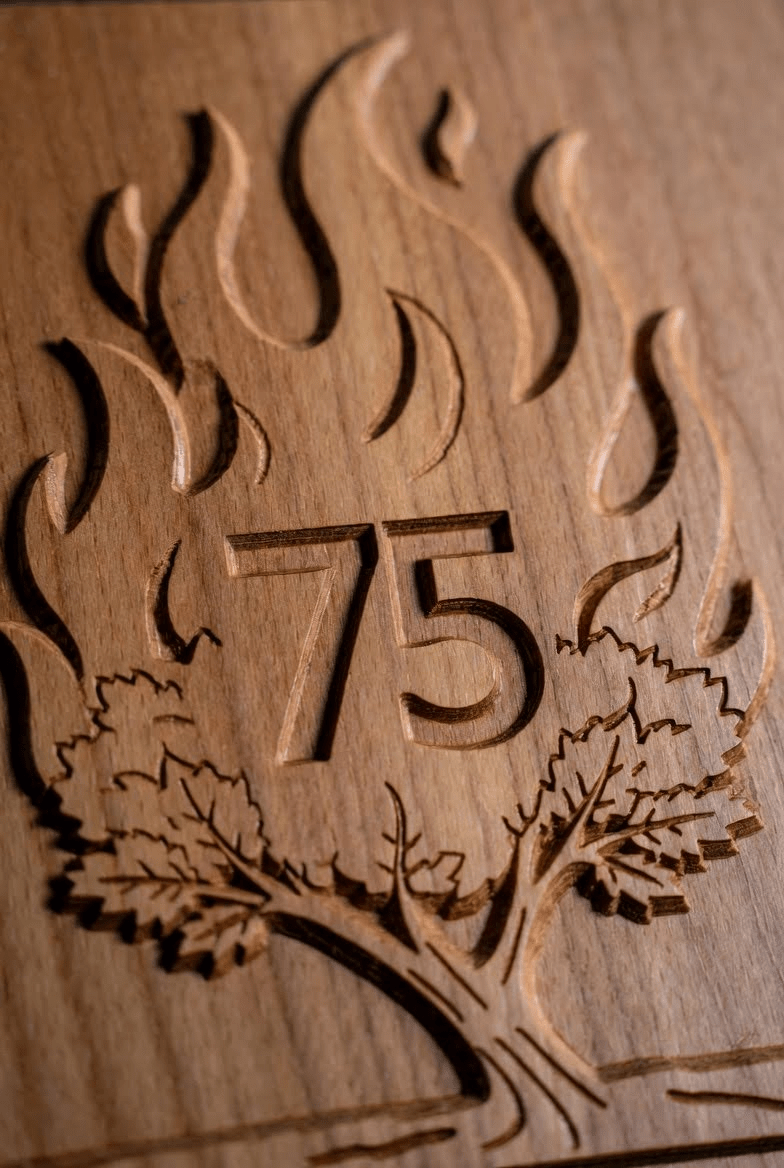
Construction was completed in 2025, and the new Tandragee Campus was officially opened on 13th March 2026, seventy‑five years after the founding of the Free Presbyterian Church of Ulster. The event symbolised a full circle — the training of preachers for the same Gospel first proclaimed in Crossgar in 1951.
Opening of the new Whitefield College of the Bible:
In Pictures
Photos courtesy of Tony Hendron/Portadown Times
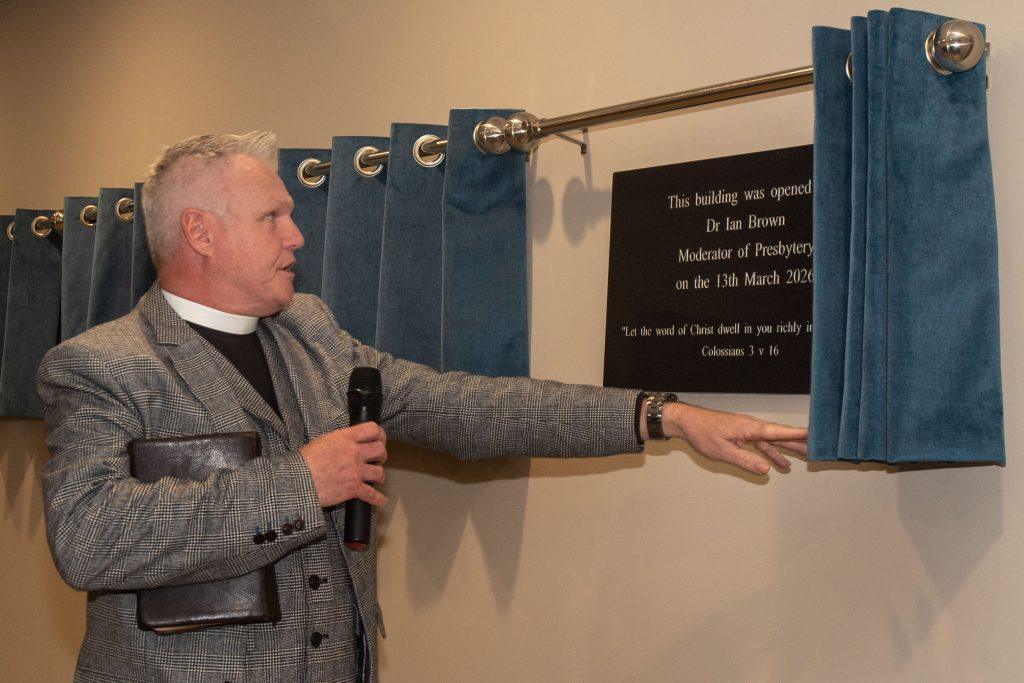
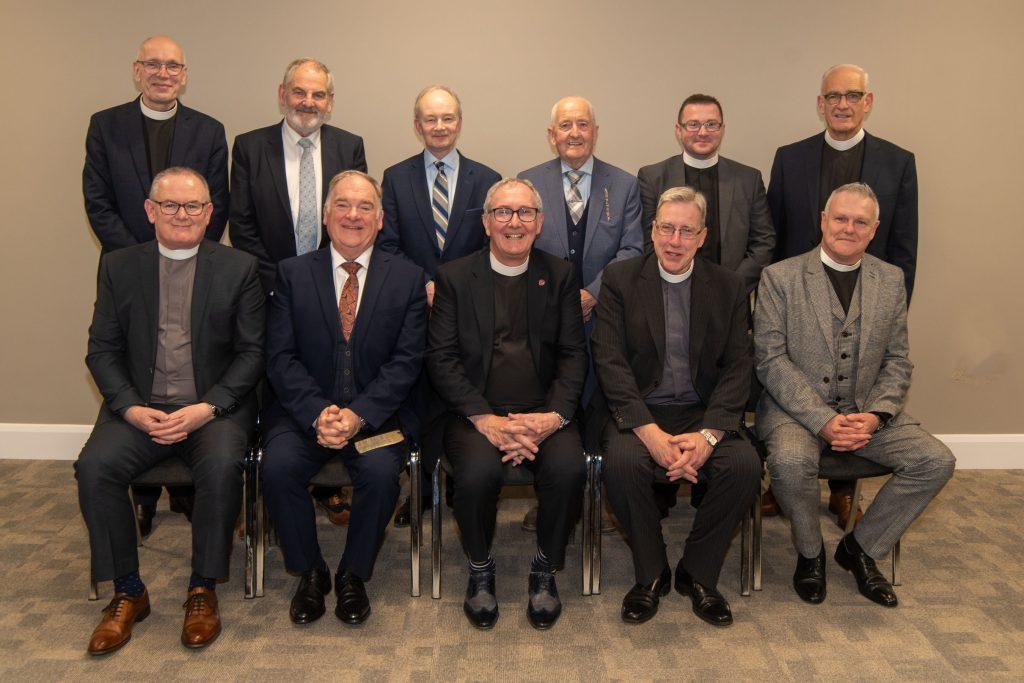
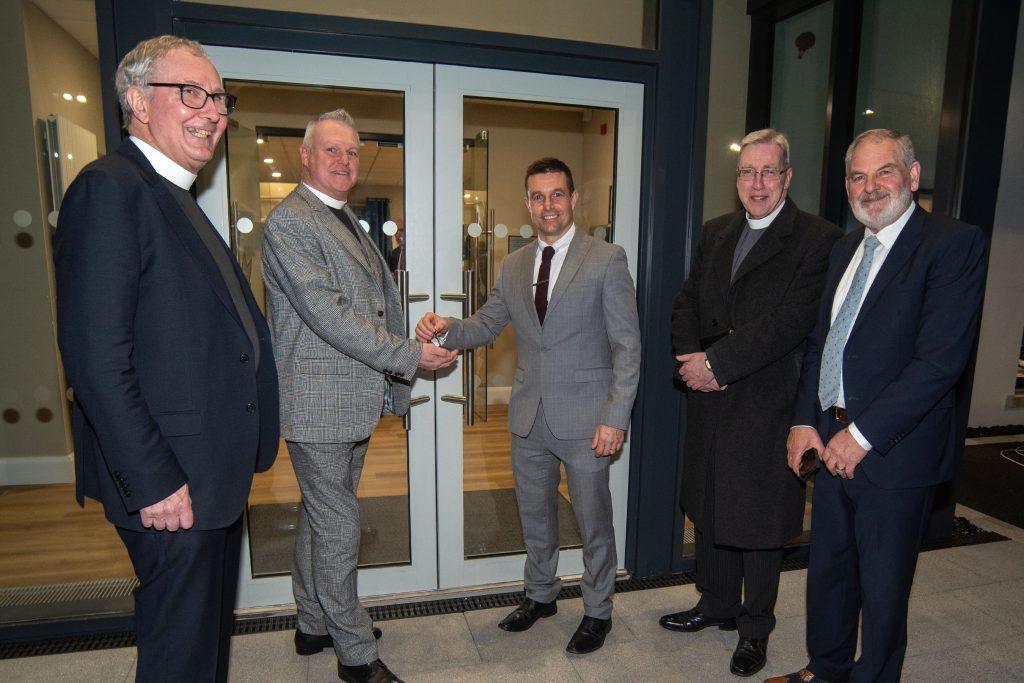
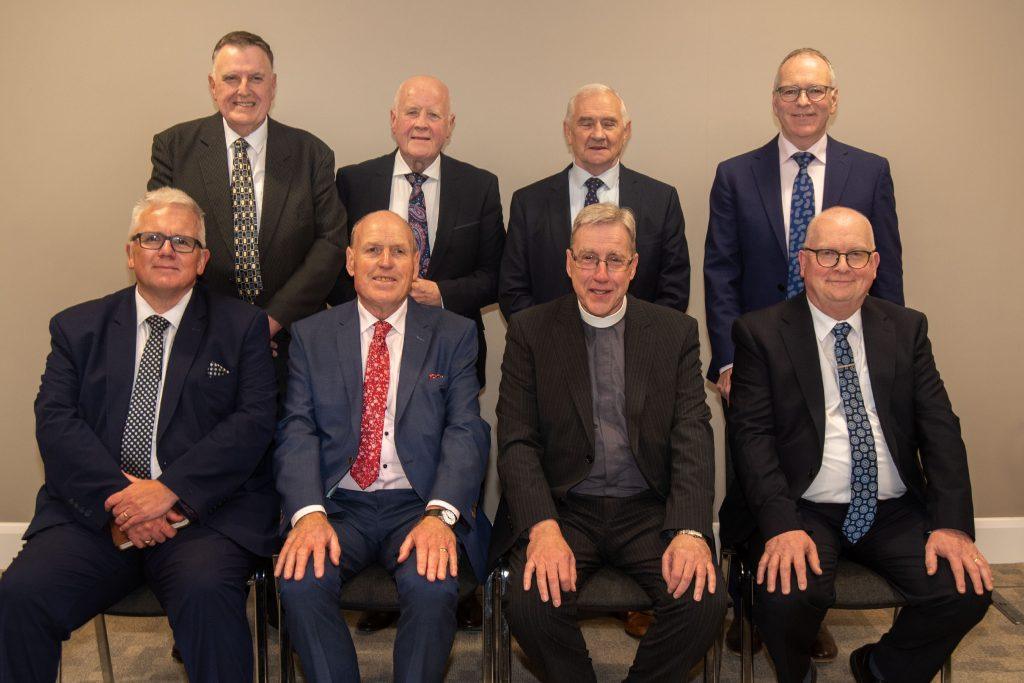
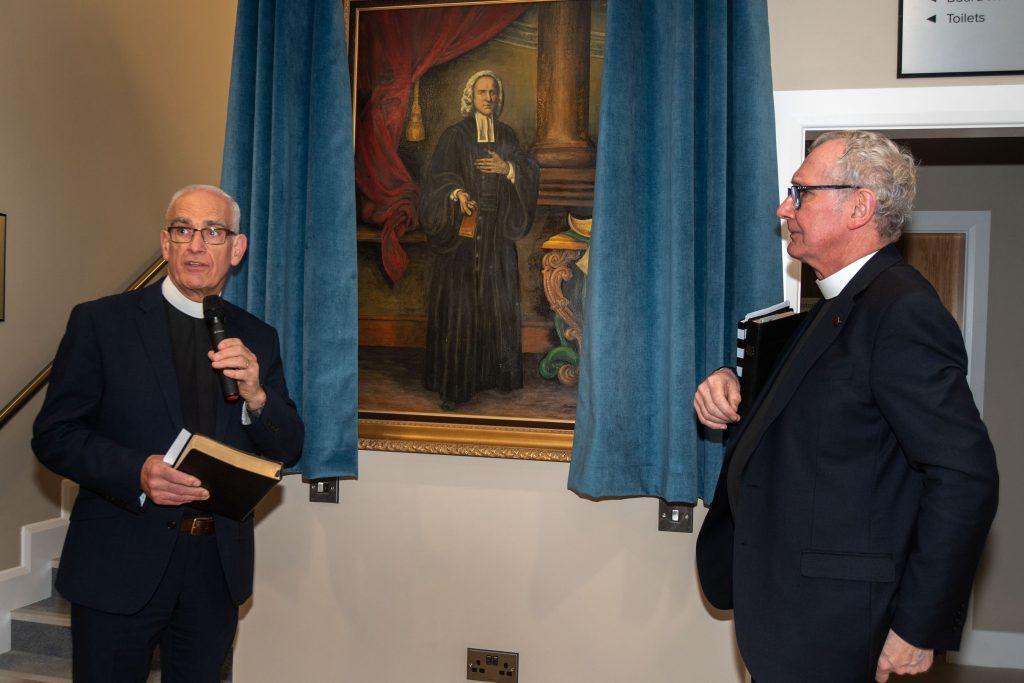
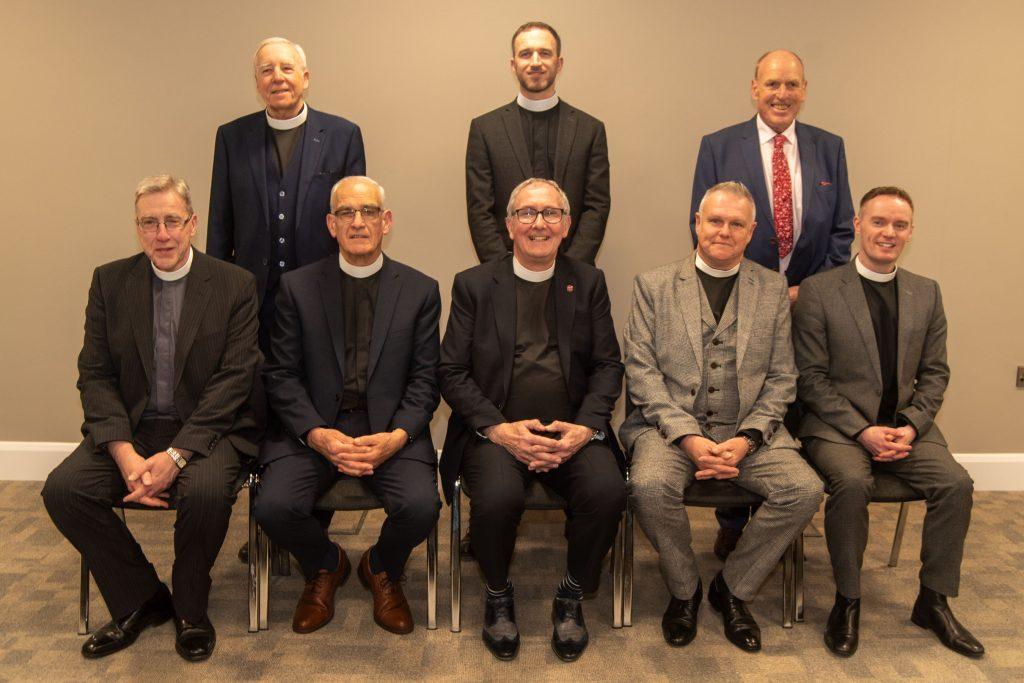
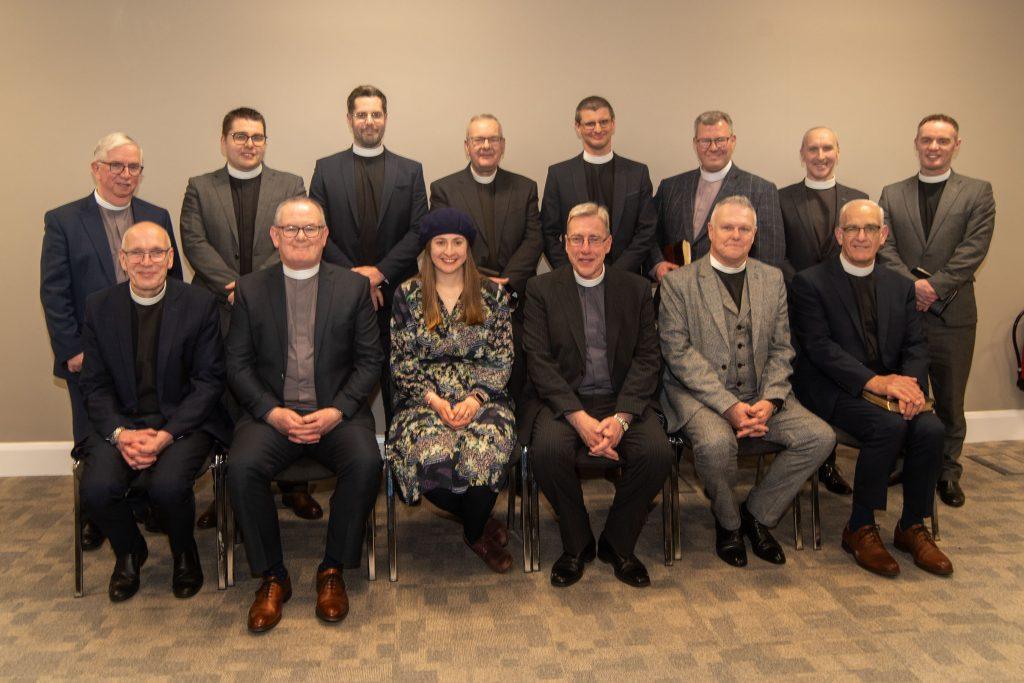
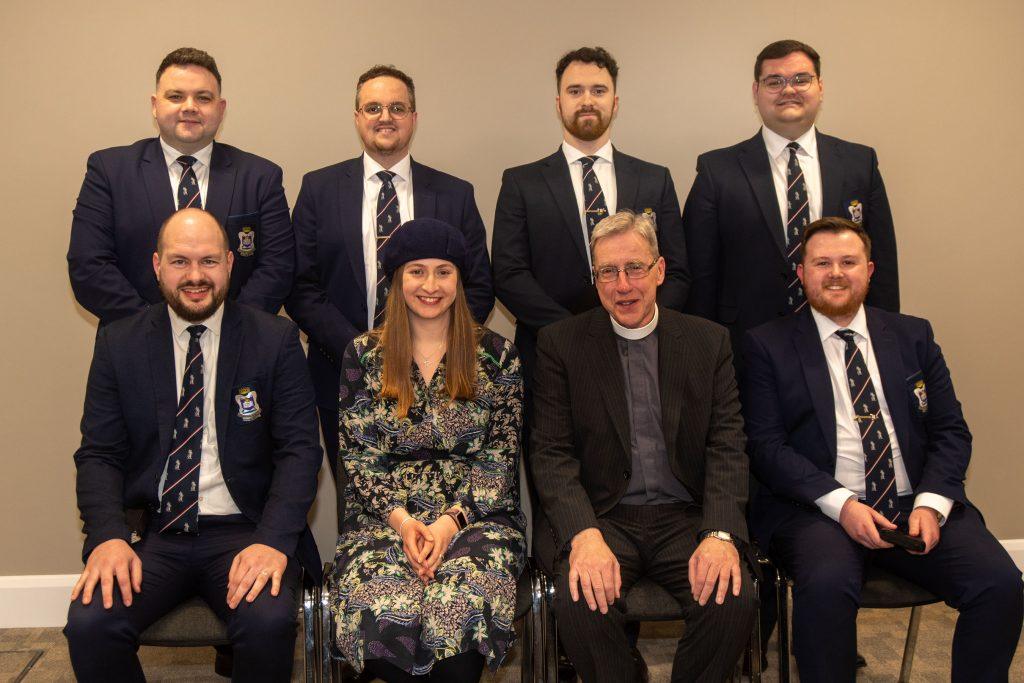
The College enters this new stage entirely debt‑free, a fitting reflection of the sacrificial generosity of God’s people throughout its history.
The Legacy Continues
Across seven decades, Whitefield College of the Bible has passed through seven distinct eras of training:
- Mount Merrion back hall (1953 – 1960s)
- Ravenhill Free Presbyterian Church (1960s – 1969)
- Rear building of Martyrs Memorial Free Presbyterian Church (1969 – late 1970s)
- Formation of Whitefield College in Belfast (1979 – 1981)
- Laurencetown House Campus (1981 – 2016)
- Paisley Jubilee Complex, Belfast (2016 – 2026)
- Tandragee Free Presbyterian Campus (2026 – Present)
Through every move, the mission has remained the same: to prepare faithful ministers of the New Testament who will preach Christ without fear and stand for the unchanging truth of God’s Word.
Yet the ongoing vitality of the College depends upon the continued spiritual health of the congregations that sustain it. From among the boys and girls of Free Presbyterian families will come the future ministers, missionaries, and teachers of the Gospel. If the next generation is to rise up ready for service, the local church must be a training ground for faith. Robust youth fellowships, regular youth prayer meetings, and a deep involvement of young believers in evangelism are essential to stir hearts toward consecrated service.
The Church’s Book of Church Order rightly reminds us that only a biblical view of marriage, morality, creation, and human nature provides young people with a firm foundation for wisdom, integrity, and upright living. In an age of confusion and moral relativism, the expansion and preservation of Independent Christian Schools stand at the front line of this spiritual conflict — safeguarding children from ungodly indoctrination, cultivating Christian character, and integrating academic excellence with biblical conviction.
Such schools, united with godly homes and faithful congregations, form the pipeline that will supply future generations of gospel labourers. Through this partnership of home, church, and school, young people can discover their gifts, grow in sound doctrine, and hear the call of God that leads ultimately to Whitefield College and, from there, to the pulpit and the mission field.
As the Free Presbyterian Church looks forward, it must continue to pray, labour, and invest in this sacred chain of Christian education — contending for biblical truth in public life, promoting righteousness through peaceful testimony, and preparing men and women who will “contend earnestly for the faith which was once delivered unto the saints.”
Whitefield College of the Bible therefore stands not merely as a monument to past achievement, but as a living reminder that education, evangelism, and ministerial training must all serve one purpose: that Christ may be known, truth may be preserved, and future generations may be “endued to stand.”
Motto: Endued to Stand
Verse: “Though thy beginning was small, yet thy latter end should greatly increase.” – Job 8:7
Live Broadcast
Current Summary
Name: Whitefield College of the Bible
Founded: 1953 (as Theological Hall)
Formally Organised as Whitefield College: 1979
Official College Inauguration: 3rd October 1981 (Laurencetown House)
Laurencetown Campus Closed and Sold: 2015/16
Operation in Paisley Jubilee Complex, Belfast: 2015 – 2026
Current Campus: Tandragee Free Presbyterian Church, County Armagh
Official Opening: 13th March 2026
Affiliation: Free Presbyterian Church of Ulster
Principal: Rev Timothy Nelson
Motto: Endued to Stand
If you enjoyed this article, please do feel free to contact us, we would welcome any additions or corrections. Our denominational founding congregation, Crossgar, has an excellent history of the formation of the Free Presbyterian Church which is linked below.

75th Anniversary of the formation of the Free Presbyterian Church