
As 2026 approaches, the Free Presbyterian Church of Ulster stands on the verge of celebrating its seventy-fifth anniversary—a moment not just of commemoration, but of reflection and rededication. It is an extraordinary story of a people who refused to be silenced, who believed that fidelity to Scripture outweighed every worldly cost, and who saw in that conviction the miraculous hand of God moving in their midst.
For many denominations, anniversaries are ceremonial—the stuff of banquets, nods to nostalgia, and a few polite speeches. But for the Free Presbyterian Church, an anniversary has a deeper, more solemn meaning. It marks the passing of another generation that stood “in the gap” for truth. It reminds the Church of the price of its freedom, of the revivals that shaped it, and of the sacrifices made by men and women who would rather lose the world than lose the Word of God.
🕰 The Birth of a Movement: Defiance Against an Age of Compromise
The Free Presbyterian Church of Ulster was born in 1951 during an age of creeping spiritual compromise. The mainstream Protestant churches of Northern Ireland—once bulwarks of evangelical conviction—had begun to embrace ecumenism. That movement, which claimed to seek Christian unity, was in truth a subtle but deadly drift toward theological relativism. At its core, it sought reconciliation with Rome at the expense of reformation truth.
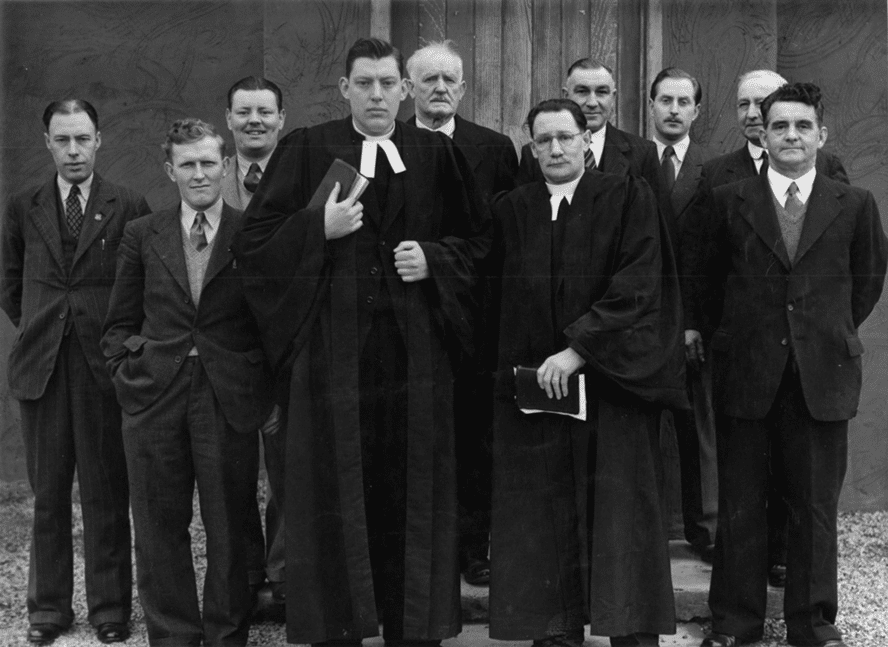
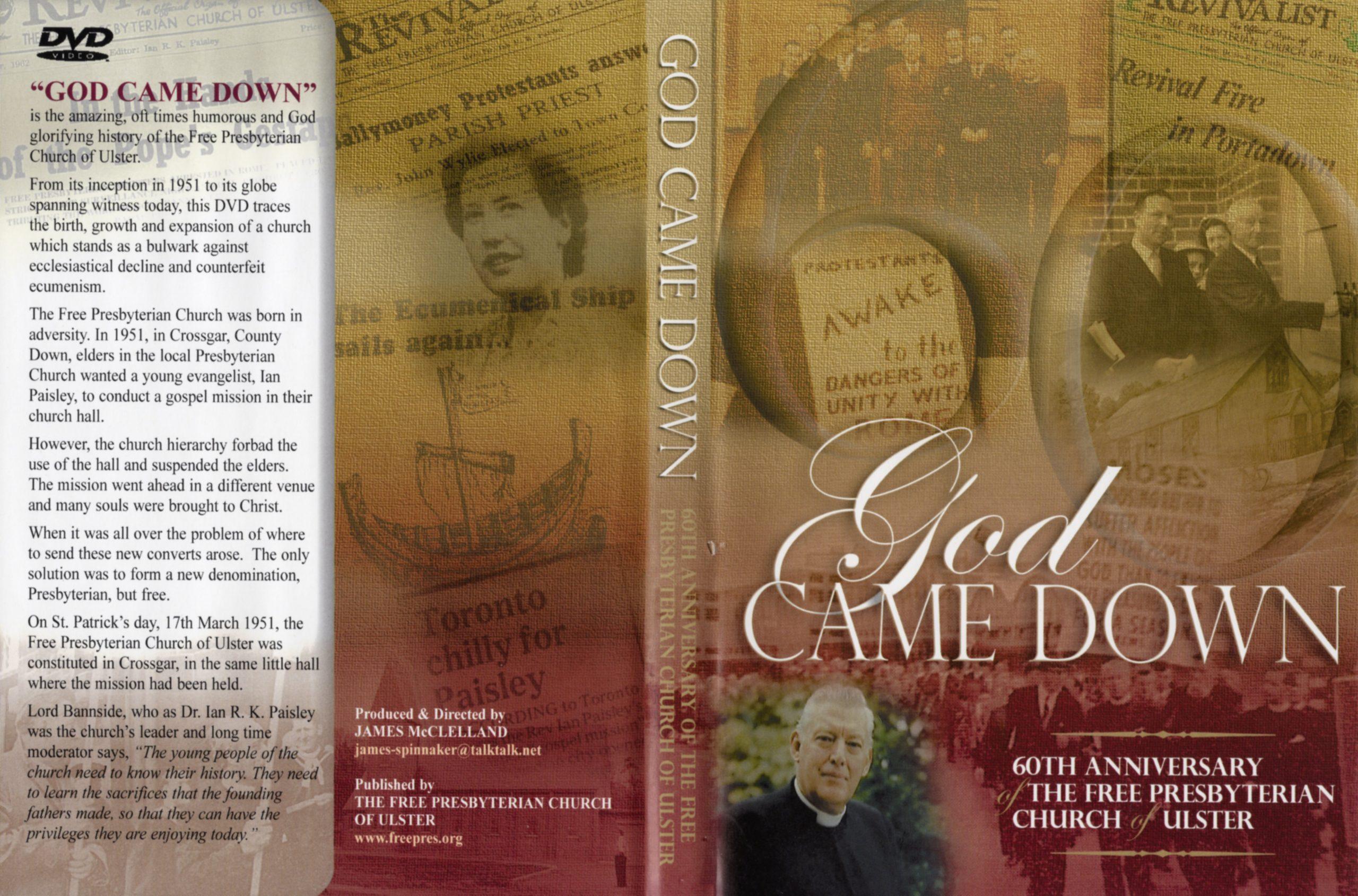
In February 1951, elders from Lissara Presbyterian Church were suspended by the Down Presbytery for wishing to hold a Gospel mission in their church hall led by a young evangelist, Ian Paisley. This rift resulted in the mission going ahead in Killyleagh Street Mission Hall with 94 precious souls saved and professing faith in the Lord Jesus Christ. That year saw the formation of the Presbytery of the Free Presbyterian Church of Ulster. From four congregations in that first year, the growth of the new denomination continued until its witness spread to all parts of Northern Ireland. The church was founded to faithfully preach and defend the gospel of Christ in an age of growing compromise and apostasy.
In that climate, anyone who resisted was branded a fanatic. To be a Free Presbyterian in the 1950s or 1960s was to be seen as obstinate, even socially dangerous. Converts lost their jobs; families were divided; standing for truth often meant standing alone. Members were derided as “barn rats,” meeting in barns and makeshift halls because no respectable congregation would welcome them. Yet within those barns, the Spirit of God descended. Those early worshippers experienced something far more sacred than respectability: revival.
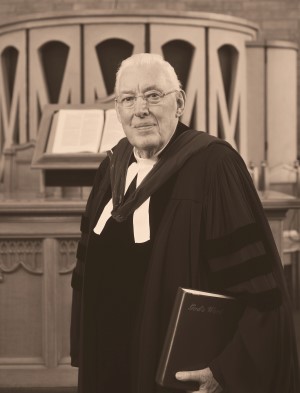
Key among the founders was Dr. Ian R.K. Paisley, a preacher of rare courage and fire. Alongside others such as the Revs. John Wylie, John Douglas, and Ivan Foster, he rejected the hollow respectability of the modern church. Their ministry was saturated with bold gospel preaching—salvation by grace alone through faith alone, the inerrancy of Scripture, and the absolute sovereignty of God. Through their preaching, the Bible became a living sword cutting through the hypocrisy of a compromised age.
Hostility, however, never broke them. Instead, adversity refined them. Though reviled by clergy and scorned by newspapers, their boldness drew multitudes who hungered for reality in religion. “You knew,” recalled one convert from that era, “that when you entered a Free Presbyterian meeting, you were coming to encounter God.” The revival fires of the 1950s and ’60s were not manufactured—they were heaven-sent, born in prayer and suffering.
⚖️ The Climax of Conflict: Protest, Prison, and Proliferation
The defining moment came in 1966, when the simmering tension between the Free Church and the ecclesiastical establishment boiled over into confrontation. That year, Dr. Paisley, the Rev. John Wylie, and the Rev. Ivan Foster were arrested and jailed for leading what authorities deemed an “unlawful assembly” during a peaceful protest outside the General Assembly of the Presbyterian Church in Belfast.
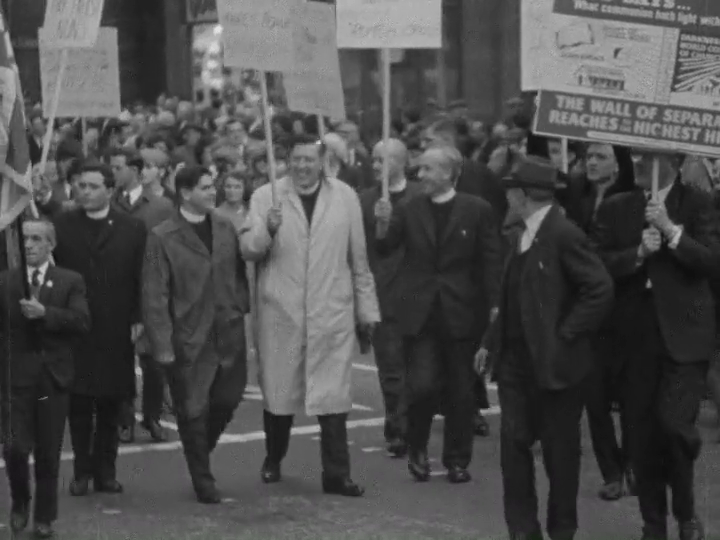
History would later expose the irony: the very men imprisoned for disturbing the peace were the ones crying out to preserve the peace of the Gospel against theological appeasement. Their imprisonment in Crumlin Road Jail—three months behind bars—was intended to humiliate and silence them. Yet, as in the days of Paul and Silas, the prison became a pulpit.
The public outrage that followed electrified the Province. Thousands who had previously wavered suddenly rallied to the cause of the Free Church. Rallies erupted across Ulster as people realized that faithful gospel ministers had been jailed—not for lawbreaking, but for conscience. The event triggered a chain reaction: new congregations sprang up in towns and villages throughout Northern Ireland. Within five years, over thirty new churches had been established, many of them filled with young believers ignited by zeal for scriptural truth.
The establishment, which sought to stifle the Free Church, had instead given it wings. What was meant to destroy became the spark of expansion. Ulster had witnessed a new Reformation spirit rise—one that echoed the boldness of Knox and Luther. The Church that began as a small protest in Crossgar was now a revival sweeping through an island.
👨🏫 From Revival to Institution: The Founding of Whitefield College
The immense growth of the 1960s demanded leadership. Revival produces converts, but reformation requires instruction. The Free Presbyterian Church saw that spiritual fire needed theological foundation. Thus was born Whitefield College of the Bible, named in honour of the great 18th-century evangelist George Whitefield.
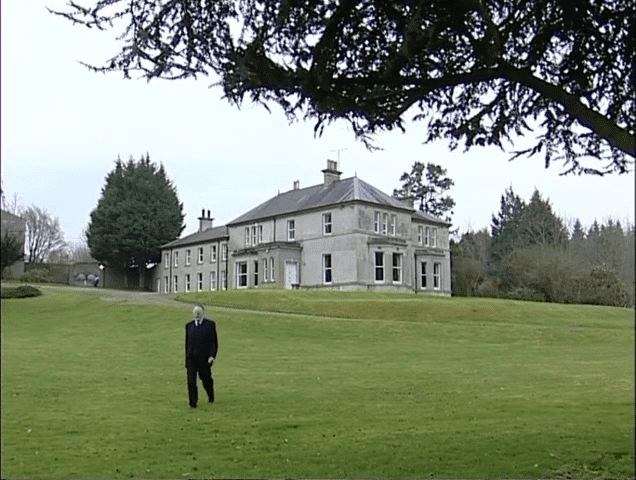
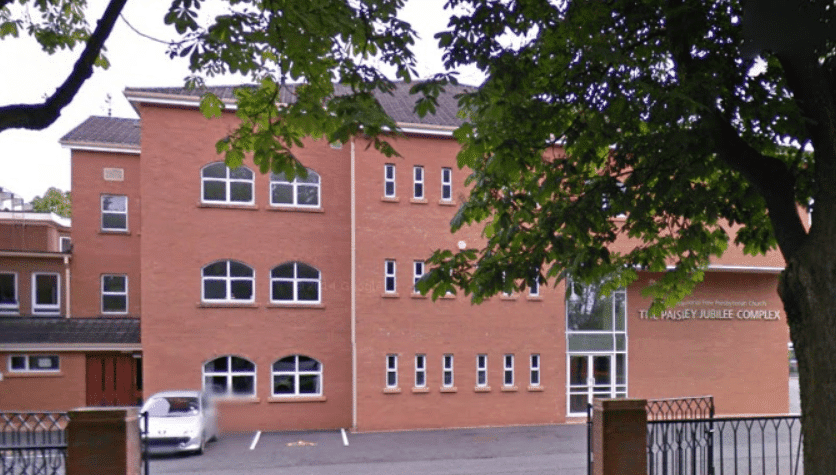
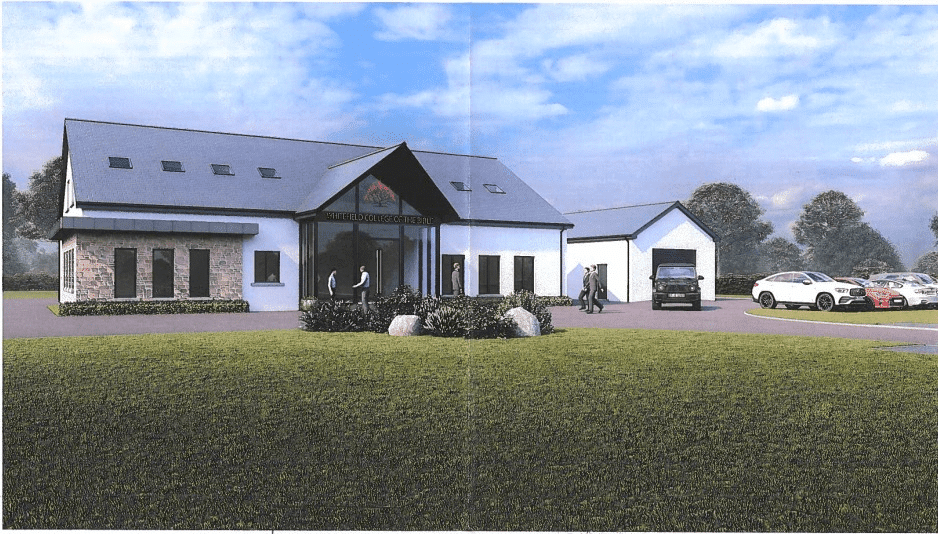
In 1979, the Rev. John Douglas—one of the movement’s most capable scholars and organizers—was appointed as the first principal. The college began humbly, in rented facilities in Belfast, before being established permanently in the pastoral quiet of Banbridge. From its inception, the College sought not merely to educate but to consecrate men. Its motto might well have been “Study to show thyself approved unto God.”
Whitfield students lived apart from worldly distraction and immersed themselves in Scripture, church history, and Reformed theology. The college taught not trendy theories of pastoral psychology, but the “whole counsel of God.” Its influence rippled far beyond Ulster’s shores. From its lecture halls came men who would carry the Free Presbyterian witness to other continents, sowing gospel seeds where the soil was ready.
🌍 A Global Witness: From Ulster to the Nations
The vision of the FPC was never parochial. It was global from the beginning. The founders believed that the same Gospel that shook Northern Ireland could shake the world. Formed in 1972, the Mission Board has driven worldwide evangelism. Emotional sending forth services bid farewell to missionaries spreading the Gospel globally.
In 1976, God opened the door to Canada. The Rev. Frank McClelland established the Toronto Free Presbyterian Church under fierce opposition. The local press branded him a fanatic, and authorities—under pressure from liberal clergy—demolished the hall they rented to prevent Dr. Paisley from preaching in it. Their attempt to silence became a lesson in faith. Homeless and harassed, the small congregation prayed—and God provided. That congregation blossomed, eventually helping to plant daughter churches across Canada in Calgary, Vancouver, Fredericton, and elsewhere.
Meanwhile, in the United States, an unexpected connection arose with Bob Jones University in Greenville, South Carolina. Dr. Paisley’s preaching there awakened many to the possibility of a Presbyterian movement that was both doctrinally reformed and militantly separatist. The Faith Free Presbyterian Church of Greenville became the denomination’s first American congregation. Under the leadership of Rev. Alan Cairns, the church grew into a flagship ministry and training centre. In 1982, a theological hall was established in Greenville to train American ministers in the same biblical rigour as Whitfield in Ulster. Churches soon proliferated across the United States from New Hampshire to Arizona.
The missionary zeal of the Church did not end in the West. In Kenya, missionaries such as Miss Margaret Russell and Miss Margaret Armstrong established schools and churches, eventually leading to the creation of the Emmanuel Christian Academy—an institution that today teaches hundreds of African children both academic excellence and saving truth. In Uganda, the Free Presbyterian Church has supported missionary and educational efforts that blend gospel preaching with practical service, helping build schools and churches that stand as beacons of biblical truth amid spiritual and social need.
In Nepal, an indigenous ministry grew from a single radio broadcast. Local ministers, once Hindus, carried Scripture into mountain villages where modern transport cannot reach. They planted dozens of new congregations—an echo of the book of Acts in the 21st century. And in Spain, congregations under the Revs. John Hanna and Lyle Boyd turned the soil of a land long closed to Protestant witness. Across the continents, the Free Presbyterian testimony took root: resolute, unashamed, uncompromising.
In Australia and Tasmania, the Free Presbyterian witness has taken root through faithful congregations that uphold the same reformed, evangelistic, and separatist convictions as their Ulster forebears, carrying the light of the Gospel to the southern hemisphere with steadfast zeal and biblical clarity.
📻 “Let the Bible Speak”: The Airwaves of Grace
No single ministry has embodied the Free Presbyterian vision of evangelism more powerfully than Let the Bible Speak. Founded in 1973, it began as a small radio outreach on the Isle of Man. Half a century later, it reaches tens of millions around the globe through radio, television, and digital channels.
The program’s philosophy was as simple as it was radical: preach the Bible, unadorned and unedited. It required no celebrity preachers, no emotional manipulation—only Scripture expounded clearly and faithfully. Through its broadcasts, souls in urban apartments and rural huts alike heard the Gospel for the first time. In places like Nepal, entire churches were born from those who wrote in requesting Bibles after hearing the broadcast. Those letters, often written by hand in broken English, represented living testimonies of hearts changed by the Word.
🎓 The Christian School Movement: Raising a Generation in Holiness
The late 20th century witnessed another remarkable outgrowth of the Church’s mission—the establishment of Christian Schools. Spearheaded by visionary parents and ministers, these schools sought to rescue children from the moral decay of state education systems.
In Free Presbyterian schools, every subject is taught from a biblical perspective. Students learn that science and Scripture are not enemies, that morality is not subjective, and that reason without revelation produces ruin. Against a backdrop of societal confusion over sexuality, morality, and identity, these schools form a righteous remnant. The results speak for themselves: high academic performance, spiritual maturity, and steadfast faith. Many graduates have gone on to universities like Cambridge while holding fast to the faith learned in Christian schools.
These institutions were never meant to isolate children from society but to prepare them to stand courageously within it—rooted in the conviction that “the fear of the Lord is the beginning of wisdom.”
🙏 The Secret Power: Prayer That Shook Heaven
The true power behind every Free Presbyterian triumph was not strategy but supplication. The Church was born in prayer. The founders often prayed through the night, pleading for revival. As many testify, “The Free Church was conceived on its knees.”
Those early all-night prayer meetings left an indelible mark. Every subsequent victory—the conversions, the mission expansions, the revivals—can be traced back to such moments. The annual ministerial week of prayer, held at the beginning of each year, remains a sacred tradition where pastors and elders seek God’s direction for the year ahead. Many who attended those meetings could recount answers to prayer so specific and immediate that only divine providence could explain them.
Prayer became the Church’s engine and its safeguard. It was never a ceremony; it was a battlefield strategy. While other denominations relied on programs, the Free Presbyterian people relied on power—from the throne of grace.
📖 “If We Do Not Stand for the Book, We Shall Perish”
Throughout its seventy-five years, one truth has remained constant: the Free Presbyterian Church stands or falls on its confidence in the Word of God. Its ministers have never been ashamed to affirm verbal inspiration, absolute inerrancy, and full sufficiency of Scripture. When others compromised with liberal theology or embraced modern reinterpretations of faith, Free Presbyterians clung to the Book.
This has not always made the movement popular. The refusal to bend to cultural pressures has often brought accusations of narrow-mindedness. Yet it is precisely this unwillingness to compromise that has preserved the FPC’s distinctiveness. Its message remains simple, unadulterated, and utterly biblical: Salvation is all of grace, all of God; damnation is all of sin.
📜 “Though Thy Beginning Was Small…”
When Sandy McAuley of Cabra, one of the Church’s beloved early elders, was promised through Scripture that, “Though thy beginning was small, yet thy latter end should greatly increase,” he could scarcely have imagined the scale of that fulfillment. From one congregation in Crossgar, the Free Presbyterian Church has become a global communion—spanning multiple continents and languages yet bound by one confession and one Lord.
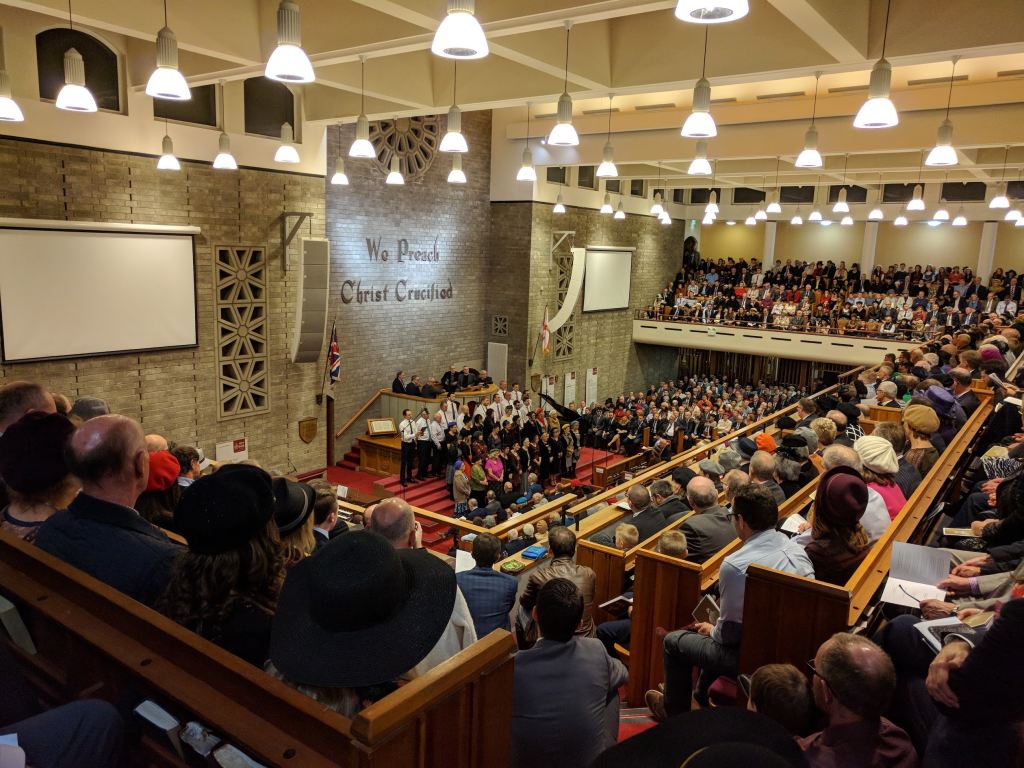
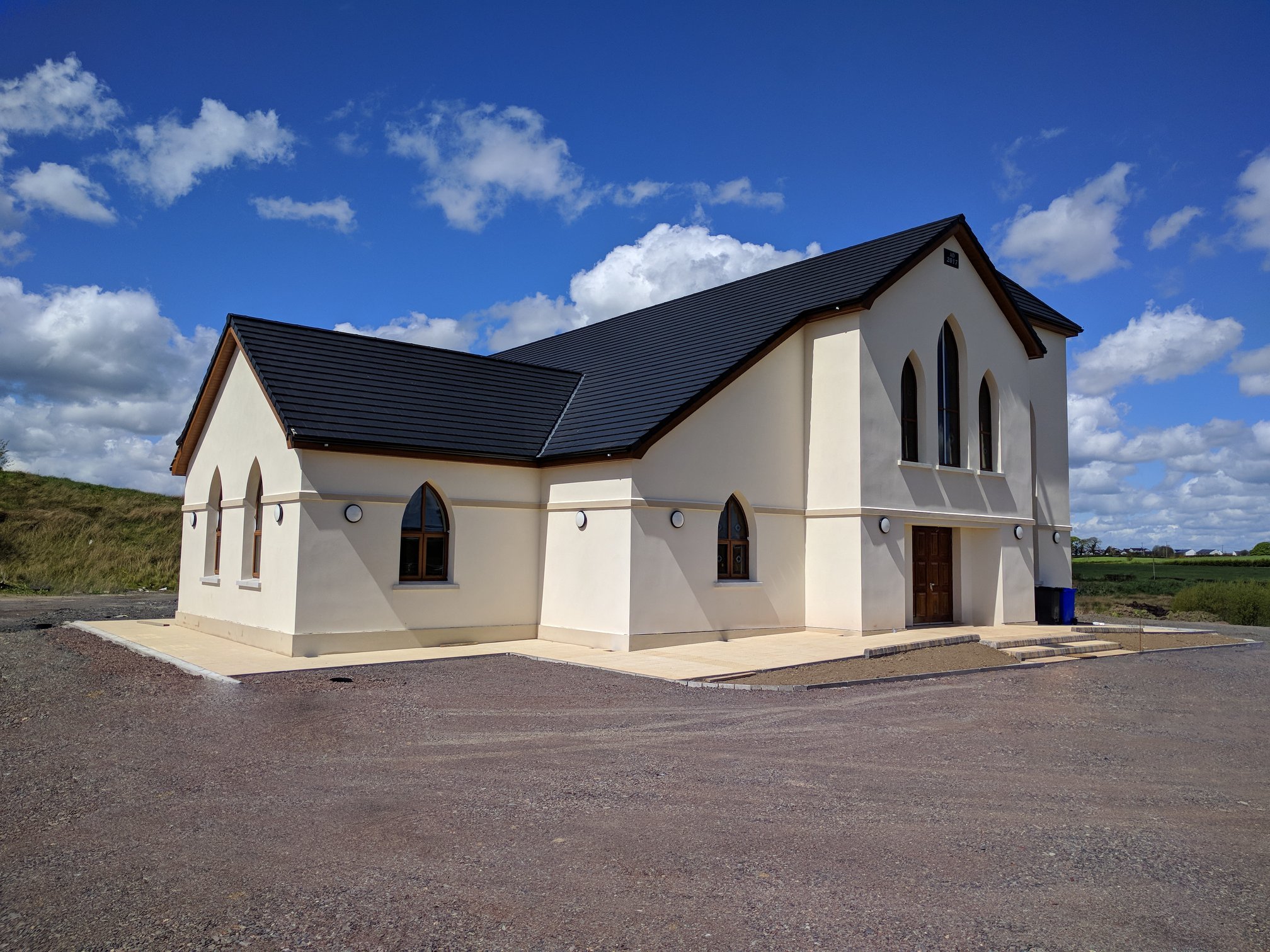
As 2026 dawns and the seventy-fifth anniversary approaches, it is vital that present-day Free Presbyterians remember that their privileges were purchased by the prayers, tears, and endurance of their fathers and mothers in the faith. Comfortable church buildings and established reputations can never replace the fiery devotion that built the movement.
The future of the Free Presbyterian Church will depend not on modern accommodation but on ancient faithfulness. Its mission remains unchangeable: to exalt Christ, to preach His cross, to call sinners to repentance, and to live lives of holiness separated unto God. The call of history is clear:
“Stand ye in the ways, and see, and ask for the old paths, where is the good way, and walk therein,
and ye shall find rest for your souls.”
May this generation rise to that call,
that in the next seventy-five years the world may once again say—
“God came down.”
60th Anniversary Video – “God Came Down” by the late Rev. James McClelland
Official DVD Cover